
High fibre breakfasts do not need a weekend kitchen project: with the right pantry staples, most adults can hit a meaningful chunk of the daily fibre target in under ten minutes on a weekday. This how-to pairs gram estimates with ordinary UK and US products so you can shop once and rotate four fast templates.
Breakfast is where high fibre breakfasts either start strong or leave you chasing grams at dinner. Fibre supports bowel regularity and helps many people feel fuller after meals, according to NHS and USDA messaging, without promising weight outcomes. The recipes here are templates: swap fruits by season, choose gluten-free oats if you need them, and keep portions aligned with your appetite and any medical guidance.
Timing matters for busy mornings. Each option below assumes you already have oats, bread, or beans in the cupboard. Prep the night before where noted; otherwise you are mainly assembling, heating, and eating. We cite approximate fibre grams from standard food composition tables; branded products vary, so check your pack.
How much fibre to aim for at breakfast
If your daily target is 30 g, breakfast at 8–12 g fibre leaves room for lunch and dinner without a last-minute chase. There is no official breakfast quota in UK or US guidelines, but spreading intake across meals is easier on digestion for many people than loading fibre only at night.
Fibre on labels includes mostly non-starch polysaccharides and lignin; US labels may list dietary fibre and sometimes soluble fibre separately. UK back-of-pack figures use similar totals. Whole foods carry fibre alongside vitamins and minerals; ultra-processed fibre-fortified bars can help in a pinch but are not the only tool.
Children, older adults, and people with certain gut conditions need tailored targets — ask a clinician or dietitian rather than copying adult templates blindly.
Pantry staples for ten-minute fibre
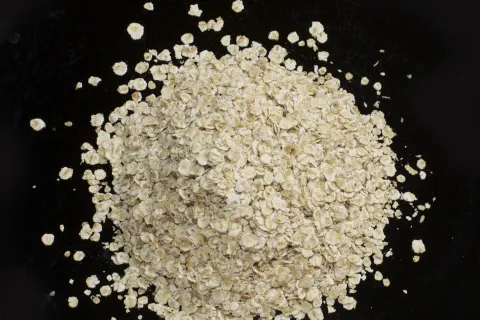
Keep rolled or jumbo oats, wholemeal or seeded bread, nut butter, mixed seeds, canned beans rinsed and drained, frozen berries, and plain yoghurt if you tolerate dairy. UK shoppers might choose porridge oats and mixed-seed loaf; US shoppers might use old-fashioned oats and sprouted grain bread — functionally similar.
A digital scale helps for the first week so you learn what 40 g oats or one slice looks like. Measuring cups work if you level them consistently. Fibre maths fails when portions drift.
For broader weekly structure, slot these breakfasts into a seven-day balanced meal plan so lunch and dinner fibre sources complement rather than duplicate.
| Template | Active time | Key ingredients | Approx. fibre | Notes |
|---|---|---|---|---|
| Overnight oats | 5 min night before | 40 g oats, 80 g berries, 1 tbsp chia | 10–12 g | No cook; add milk or yoghurt |
| Microwave porridge | 3–4 min | 40 g oats, banana, 1 tbsp flax | 9–11 g | Stir mid-way to prevent boil-over |
| Seeded toast + nut butter | 5 min | 2 slices seeded bread, 2 tbsp peanut butter | 8–10 g | Add apple slices with skin |
| Bean toast | 7–8 min | 1 slice wholemeal, ½ can beans, tomato | 12–15 g | Rinse beans to reduce sodium |
| Yoghurt bowl | 5 min | Plain yoghurt, 30 g muesli no added sugar, kiwi | 6–9 g | Pick muesli with visible oats and nuts |
Overnight oats step by step
In a jar, combine 40 g rolled oats with 120–150 ml milk or fortified alternative. Add one tablespoon chia seeds for soluble fibre and thickness. Stir in a handful of frozen raspberries — they thaw by morning. Refrigerate at least six hours.
In the morning, eat cold or microwave thirty seconds if you prefer warm. Optional: top with a few chopped almonds. Fibre comes from oats, chia, berries, and any skin-on fruit you add.
Batch two jars on Sunday night for Monday and Tuesday. Keep wet toppings separate if you like crunch. This is the most forgiving high fibre breakfasts template for commuters.
Microwave porridge without overflow
Use a deep bowl. Combine 40 g oats with roughly 200 ml water or half milk half water. Microwave on high in 60-second bursts, stirring twice. Total time is often three to four minutes depending on wattage.
Slice half a banana on top and add one tablespoon ground flaxseed — store flax in the fridge once opened. Sweeten sparingly if needed; sliced banana often replaces syrup. For sugar context on packaged flavoured sachets, see our added and free sugars guide.
If porridge texture feels gluey, reduce power or use jumbo oats for more bite. Neither change alters fibre much if the dry weight stays 40 g.
Seeded toast and nut butter
Toast two slices of seeded or wholemeal bread — look for roughly 3–5 g fibre per slice on the label. Spread two tablespoons peanut or almond butter without added palm oil if you can. Add an apple or pear with skin for another 3–4 g.
UK brands often print fibre per slice; US bread may list per serving as one slice already. Check sodium if you eat bread daily. This plate pairs well with black tea or coffee; caffeine timing is a separate topic from fibre.
Allergen note: nut-free households can use sunflower seed butter and still gain fibre from bread and fruit.
Bean toast the savoury option
Heat half a 400 g can of reduced-sugar baked beans or plain cannellini beans rinsed and mashed lightly with tomato and pepper. Serve on one thick slice wholemeal toast. Fibre stacks from beans and bread — often 12 g or more before vegetables.
US readers can use plain pinto or black beans with a little tomato paste for a similar plate in minutes. Rinsing canned beans reduces sodium but not fibre materially.
Protein rises alongside fibre here, which helps some people stay satisfied until lunch. For daily protein context beyond breakfast, our protein intake guide maps ordinary portions.
Yoghurt bowl with honest muesli
Start with plain yoghurt — Greek style is thicker but not required for fibre. Add 30 g muesli without added sugar and one kiwi or a handful of blueberries. Fibre is moderate compared with oats but still beats many pastries.
Watch granola marketed as high fibre: some bind clusters with honey or syrups. Read the label or make a simple mix of oats, nuts, and seeds at home when you have fifteen minutes on a slower day.
If you use sweetener in coffee, that habit sits beside breakfast rather than inside these bowls — our artificial sweeteners overview summarises regulator views without pushing sweet drinks as water replacements.
Fibre increases without gut upset
Add one new high-fibre breakfast per week rather than jumping from white toast to triple beans overnight. Drink a glass of water with the meal. Gentle walking after eating helps some people with comfort — not a medical rule, a common-sense habit.
If you have diagnosed irritable bowel syndrome, follow your clinician FODMAP guidance; some templates here may need swaps such as smaller fruit portions or specific bread types.
Fibre aids regularity for many adults but does not replace medical assessment for persistent pain, blood in stool, or unexplained weight change — see a clinician promptly for those.
UK and US product swaps
Oats: UK porridge oats and US old-fashioned oats are interchangeable in these templates. Instant flavoured sachets often add sugar — plain oats plus your own fruit control that.
Bread: UK wholemeal and US whole wheat should list whole grain first. Multigrain without whole grain may be lower in fibre despite the name.
Beans: UK baked beans in tomato sauce are a cultural staple; choose reduced sugar and salt when available. US plain canned beans need a minute of seasoning but avoid syrup.
Seeds: Chia and flax store well; keep flax ground for absorption. Pumpkin seeds on yoghurt add crunch and a few extra grams.
Packaged shortcuts that still count
Whole-grain cereal with at least 5 g fibre per serving and low added sugar can work when you truly have two minutes. Pair with milk and a banana rather than eating cereal alone from the box.
Frozen whole-grain waffles exist in both markets; top with nut butter and berries instead of syrup floods. Energy balance still matters for weight-related goals — see calorie deficit explained for calm framing without promising outcomes.
Breakfast bars rarely beat oats on fibre per penny; if you rely on them for travel, compare fibre and added sugars side by side in the aisle.
Building a week of high fibre breakfasts
Monday overnight oats; Tuesday bean toast; Wednesday porridge; Thursday seeded toast with nut butter; Friday yoghurt bowl; repeat with fruit swaps. Shopping once for oats, bread, beans, and frozen berries covers the rotation.
Prep chia and flax in small labelled jars so morning assembly stays under ten minutes even when you are half awake. Keep a spare can of beans for savoury cravings — fibre diversity helps some gut microbiome discussions, though research is still evolving and not a reason to oversell miracle claims.
Teenagers and athletes may need larger portions and more total energy; scale oats to 50–60 g dry and add an extra slice of toast rather than skipping protein.
What not to expect from fibre at breakfast
Fibre supports digestive health and satiety signals in many people. It is not a rapid detox, and it does not cancel late-night alcohol or replace sleep. High fibre breakfasts work best as one steady habit among others.
Fortified fibre in bars does not always behave like fibre from whole plants in every study — food matrix matters. Whole-food templates here stay the default; packaged backups are optional.
Track how you feel for two weeks — bowel habit, energy, hunger before lunch — and adjust portions with a dietitian if you manage diabetes, warfarin, or other conditions where sudden diet shifts need supervision.
Timing breakfast with morning exercise
If you train before work, you may prefer a smaller fibre hit pre-session and a fuller bowl after. There is no single rule for everyone: some runners tolerate half a banana and toast; others need porridge two hours ahead. High fibre breakfasts immediately before intense exercise can feel heavy — experiment on easy days first.
Post-workout, overnight oats or bean toast restore carbohydrate and fibre together. Hydrate with water rather than fibre-fortified sports drinks unless a sports dietitian suggests otherwise for your event distance.
Desk workers who walk at lunch can still use the ten-minute templates; fibre at breakfast supports steady energy without requiring a kitchen at the office.
Medical note. This article is general information for UK and US readers, not personal medical advice or a meal plan prescribed for your conditions. Increase fibre gradually if you are new to high-fibre meals, and seek personalised guidance if you have diabetes, kidney disease, swallowing difficulty, or a history of bowel surgery. See a clinician promptly for persistent abdominal pain, blood in stool, or unexplained changes in bowel habit.
Frequently asked questions
Can I really get 10 g fibre in under ten minutes?
Are high fibre breakfasts good for weight loss?
What if oats bloat me?
Do I need supplements at breakfast?
How do UK and US fibre labels compare?
Sources
- 1. How to get more fibre into your diet
- 2. SACN carbohydrates and health report
- 3. Dietary Guidelines for Americans
- 4. Dietary fiber
- 5. Healthy diet
Guidance changes. Figures were checked against the sources above at the time of review; always confirm current advice with your GP, pharmacist or clinician.
Was this useful?
Anyone can react — no account needed.



Discussion
0 comments · Name and email only · Email is never shown