
Drop sets are a way to keep a set going after the first load feels too heavy. You finish a hard set, reduce the weight, then do more reps with little rest. They can add extra work. They can also add extra fatigue that you did not need.
Social media loves the look of dropping plates. The gym floor is not a film set. Most adults still meet the health target with ordinary sets on two days a week. NHS and CDC guides ask for that twice-weekly muscle work. Drop sets are optional.
This guide is for people who already have a simple strength plan. It is not a shortcut to a new body. It helps you decide when one reduced-load finish is useful, and when it is just tired form.
What drop sets actually are
A normal set ends when you rack the weight. A drop set ends, then continues. You strip a plate, grab a lighter pair, or move the pin. You breathe for a few seconds. Then you do more reps. The point is extra work after the first load stalled.
That extra work is also extra fatigue. Form often slips on the second load. Elbows flare. Knees cave. The back rounds. If those leaks show up, the drop was too soon or too heavy. Ordinary sets with a tidy last rep still count.
Health guides do not require this method. The NHS wants major muscle groups on two or more days a week. The CDC matches that floor and still wants at least 150 minutes of moderate aerobic activity. WHO uses the same aerobic floor. Drop sets do not earn you a pass on walking.
Adults over 50 can ignore this tool and still get stronger. Our strength training over 50 guide sticks to calm, repeatable sets. NIH pages list strength as one of four useful exercise types. They do not ask for burnout finishes.
When a drop set can earn its place
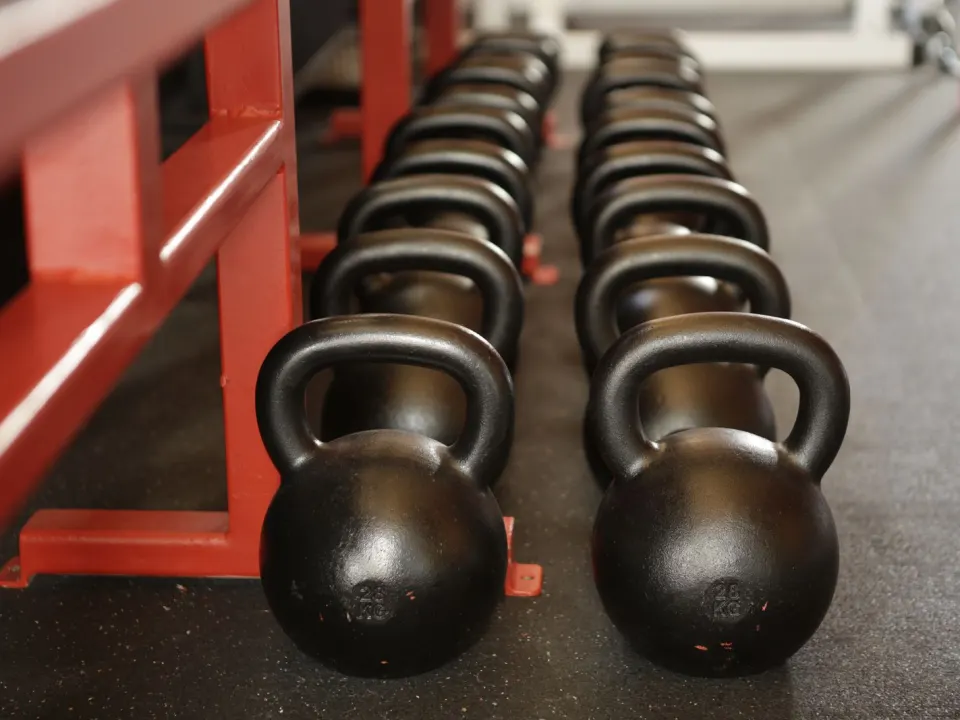
It can earn a place on a machine you already use well. A leg press, a chest press, or a cable row lets you move a pin and keep a stable path. Dumbbell rows and curls can work if the next pair is in reach and you can set the first pair down without a twist.
It can earn a place when weekly progress has stalled on one move, recovery is fine, and you want one extra stimulus. Keep the rest of the session normal. Our RPE and reps-in-reserve guide helps you stop the first load about one or two reps before form breaks, then take a smaller pair.
It can also earn a place when the next dumbbell jump is huge. Finishing with a lighter pair is kinder than forcing a messy five on a weight you cannot control. That is a practical gym problem, not a medical protocol.
| Situation | Use a drop set? | Safer default |
|---|---|---|
| New to the gym | No | Straight sets in an 8 to 12 rep window |
| Last set of a stable machine move | Maybe one drop | Keep two strength days and a walk |
| Dumbbells with the next pair in reach | Maybe one drop | Set the first pair down, then pick up the lighter pair |
| Heavy squat or bench without safeties | No | Ordinary sets in a rack, with a spot if needed |
| Already very sore or sleeping badly | No | Usual sets or a lighter week |
| Days each week | Still 2, not back to back | Matches NHS and CDC floors |
When drop sets are just extra fatigue
They are just fatigue when every move in the hour gets a drop. That is a long session in disguise. Recovery then fails. The next strength day is weak. You did not find a secret. You found tiredness.
They are just fatigue when the second load is still too heavy. If you cannot keep the same shape, the drop was not a drop. It was another hard set with worse form. Reduce more, or skip the finish.
They are just fatigue on a busy gym floor. Hunting for plates while your heart rate is high is a trip risk. If you cannot change the load in a few seconds, do not start the method. Finish the set. Rack the weight. Rest like a normal person.
A hybrid week still needs easy minutes. Our hybrid strength and cardio weekly plan can sit beside one careful finish. It should not sit beside three burnout days.
A safer way to try one drop set
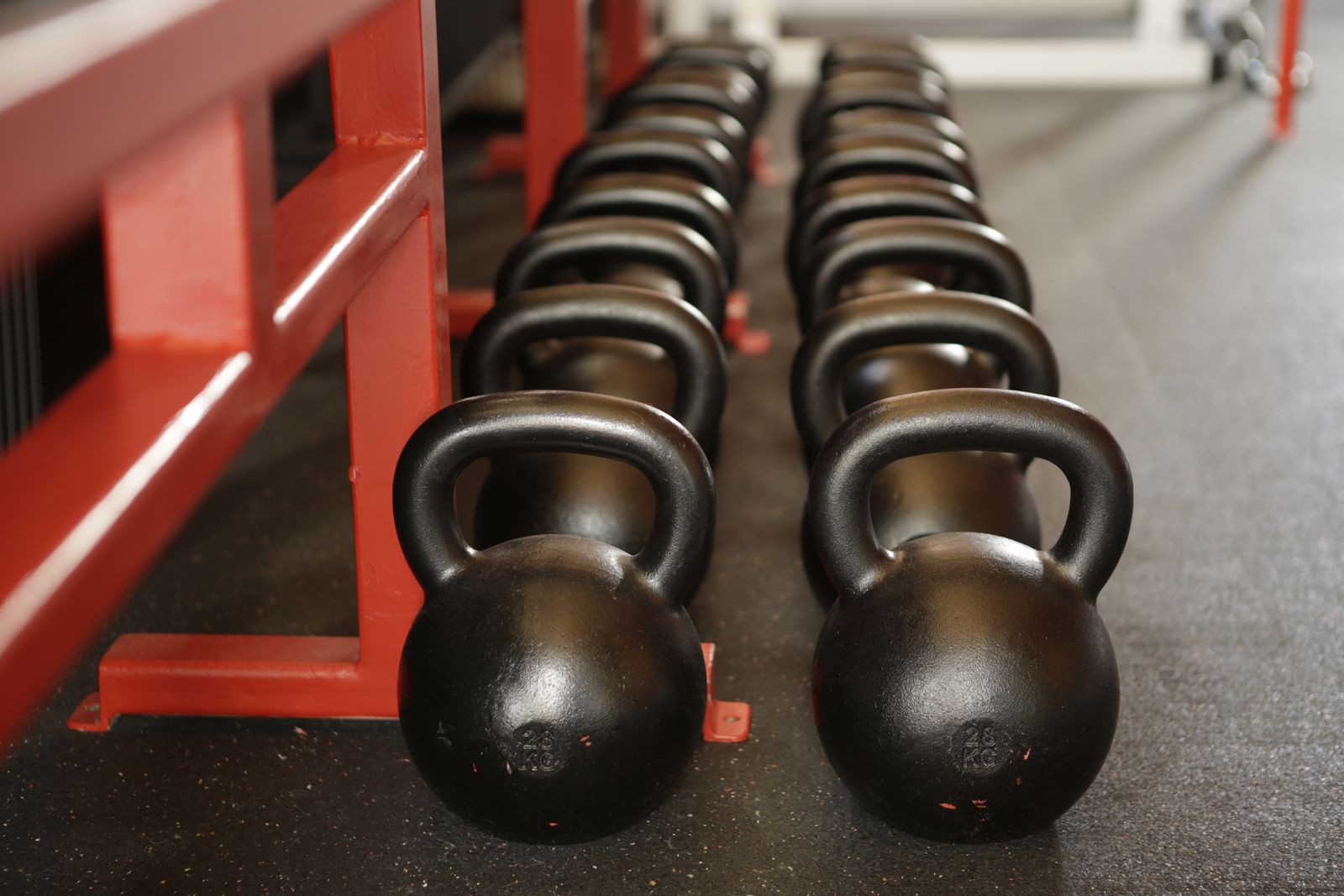
Pick one move you already own. A seated row or a machine press is a fair first choice. Do two or three normal sets. On the last set, stop one or two reps before form breaks. Change the load. Do another 6 to 10 controlled reps. Then stop. That is the whole experiment.
Rest as usual after that finish. Two minutes is not a waste. ACSM rest guidance still sits around one to two minutes for moderate work and longer when the load is heavy. A drop is not a race against the clock on the next exercise.
Log the first load, the second load, and whether the second reps stayed tidy. If they did not, the method failed even if the burn felt dramatic. Next time, drop more weight or drop the method.
Keep racks honest. Our gym safety, racks and spotting guide still applies. Do not turn a bar lift into a drop set by dumping plates in a crowded aisle. Machines and dumbbells are the usual tools.
Recovery, joints and weekly load
Extra reps are extra joint cycles. Elbows and knees notice that. If a joint is already grumbly, extra finishes are a poor gift. NICE osteoarthritis guidance still centres planned activity, not maximal burnout. Cochrane reviews of exercise for knee osteoarthritis find modest pain help for some people with a programme they can repeat. Repeatable beats heroic.
Sleep and the next session tell you the truth. If you cannot match last week’s ordinary sets after a drop-set day, you borrowed from the future. Put the tool down for a month. British Heart Foundation strength pages still put two days a week at the centre. That floor does not require a drop.
Leave at least a day between hard sessions for the same muscle group. ACSM often cites about 48 hours between hard bouts for the same muscles in novice plans. Walk on the in-between days if you like. Walking is not a drop set.
Who should skip them for now
Skip them if you are new, returning after illness, or still learning to rack a bar. Skip them in late pregnancy unless a clinician set a plan. Skip them if you feel chest pain, faintness, or unusual breathlessness. Call 999 or 911 if those signs are sudden.
Skip them if a trainer is shouting you through sloppy reps. Charm is not a safety system. You can say no. Ordinary sets still meet the NHS and CDC strength floor.
If a joint swells the next day, treat that as a stop sign. Get it checked if it keeps happening. This method is optional. Your knees are not.
When drop sets help — and when they just create fatigue
A drop set takes a set near technical failure, reduces the load by about twenty to thirty percent, then continues for more repetitions without long rest. They can add stimulus when time is short or equipment is limited. They are a poor default for every exercise, every session, because fatigue rises quickly and technique often collapses on the second drop.
Use them on the last set of an isolation move — lateral raises, leg extensions, cable rows — not on back squats or deadlifts. Keep one drop, not three. Stop when form changes. Beginners usually progress faster with straight sets and clear logs than with drop-set fireworks.
Example drop-set finishers
After three straight sets of dumbbell lateral raises, perform one top set of twelve, drop to lighter bells, and continue for eight to ten smooth repetitions. For a cable pushdown, do the same once at the end of the session. Cap the whole finisher at ninety seconds of work so it does not turn into a cardio contest.
Skip drop sets during deload weeks, when joints feel irritable, or when you still struggle to match last week’s straight-set numbers. Recovery budget is finite; spend it on the sets that keep your main lifts moving.
Where drop sets fits in a normal week
Schedule drop sets on days you can protect, not on the most chaotic evenings. Two quality exposures usually beat five rushed ones. If you miss a day, continue the plan rather than doubling up and irritating tissues.
Review every fourth week: keep what improved technique or comfort, drop what only produced fatigue. Share the log with a coach or clinician if progress stalls or pain becomes the main story.
Frequently asked questions
How much should I reduce the weight?
How many drops in one set?
Can I use drop sets every session?
Are they better than adding a normal extra set?
Do I need them to meet NHS activity advice?
Sources
- 1. Physical activity guidelines for adults aged 19 to 64
- 2. Strength exercises
- 3. Adult Activity: An Overview
- 4. Physical activity fact sheet
- 5. Strength exercises
- 6. Physical activity guidelines
- 7. Osteoarthritis in over 16s (NG226)
- 8. Exercise for osteoarthritis of the knee
Guidance changes. Figures were checked against the sources above at the time of review; always confirm current advice with your GP, pharmacist or clinician.
Image credits
- Photo: Photo by Victor Freitas on Pexels / Openverse
- Photo: Photo by Pixabay on Pexels / Openverse
Was this useful?
Anyone can react — no account needed.



Discussion
0 comments · Name and email only · Email is never shown