
Rest pause training is a brief stop inside a set, then a few more reps with the same load. It is a tool for extra work, not a weekly lifestyle. Most adults still get the health benefit from ordinary sets on two days a week.
The method sounds technical. The action is ordinary. You lift until the next tidy rep would fail. You set the weight down for 10 to 20 seconds. You pick it up and do two to four more reps. Then you stop. Rest pause training is that small cluster, not an hour of near-misses.
NHS and CDC guides still want muscle-strengthening work on at least two days a week. They do not ask for this tactic. Use it, if you use it at all, on one move you can rack safely.
What rest pause training is for
It is for extra reps when adding a full extra set would make the session too long. It is also for days when the next plate is too big, but you still have two clean reps after a breath. It is not for proving toughness on social media.
The first part of the set should still look like your normal work. Leave about one or two reps in reserve, then pause. Our RPE and reps-in-reserve guide is the right way to judge that first cluster. If the first reps were already ugly, do not add a second cluster.
Health floors do not change. The NHS wants major muscle groups on two or more days a week. The CDC matches that and still wants at least 150 minutes of moderate aerobic activity. WHO uses the same aerobic floor. A pause inside a set does not replace a walk.
Progress still comes from overload you can repeat. Our progressive overload guide lists load, reps, sets, and control as separate levers. Rest-pause is a density lever. It is optional.
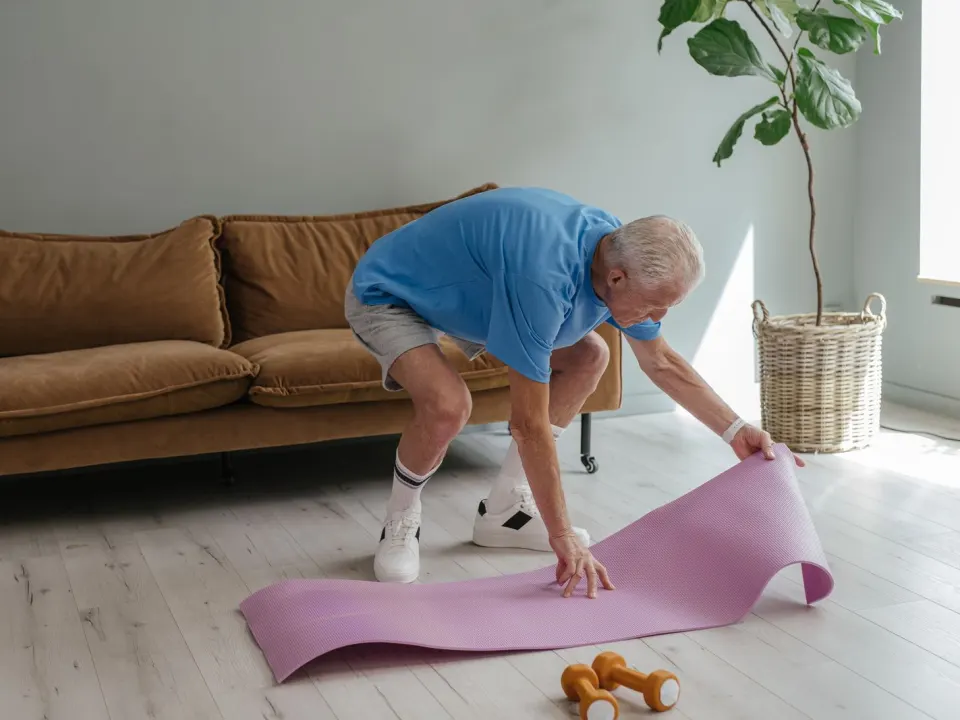
How a rest-pause set actually looks
Choose a load you could lift for about 8 to 12 tidy reps on a normal day. That window sits near ACSM guidance for general fitness. Do the first cluster. Rack or set the weight down. Shake your hands. Breathe. Count to 15, give or take. Then do two to four more reps with the same shape. Rack the weight. That is one slot.
Machines and dumbbells are the usual tools. A chest press, a row, or a leg press lets you stop without a bar on your chest. Barbell work needs a rack with safeties you have already tested. Our gym safety, racks and spotting guide is not optional here.
Do not turn the pause into a chat. Twenty seconds is a breath, not a coffee. If you need a full minute, you have finished the set. Log it as a normal set and rest properly.
| Item | Rest-pause slot | Ordinary set |
|---|---|---|
| First cluster | Stop 1 to 2 reps before form breaks | Same idea, then you rack for good |
| Pause inside the set | About 10 to 20 seconds | None |
| Extra reps | 2 to 4, same load, same shape | None |
| How often in a session | One move, one slot | Most of the hour |
| Rest after the slot | 2 to 3 minutes before the next exercise | 1 to 2 minutes for moderate work |
| Days each week | Still 2 strength days, not back to back | Same NHS and CDC floor |
When the extra reps are not worth it
They are not worth it when the second cluster turns into a wriggle. Hips shoot up. The bar drifts. You hold your breath. That is not extra quality. That is a messy encore. Skip the pause next time.
They are not worth it when you already feel wiped after two normal sets. Adding a cluster then steals from the next session. ACSM novice templates often leave about 48 hours between hard bouts for the same muscles. Honour that gap.
They are not worth it on a crowded platform. A busy squat rack is a poor place to experiment. Finish the set. Let the next person work. You can try the method on a machine later in the week.
A mixed week still needs easy minutes. Our hybrid strength and cardio weekly plan can hold ordinary lifting and a walk. It should not hold rest-pause clusters on every lift.
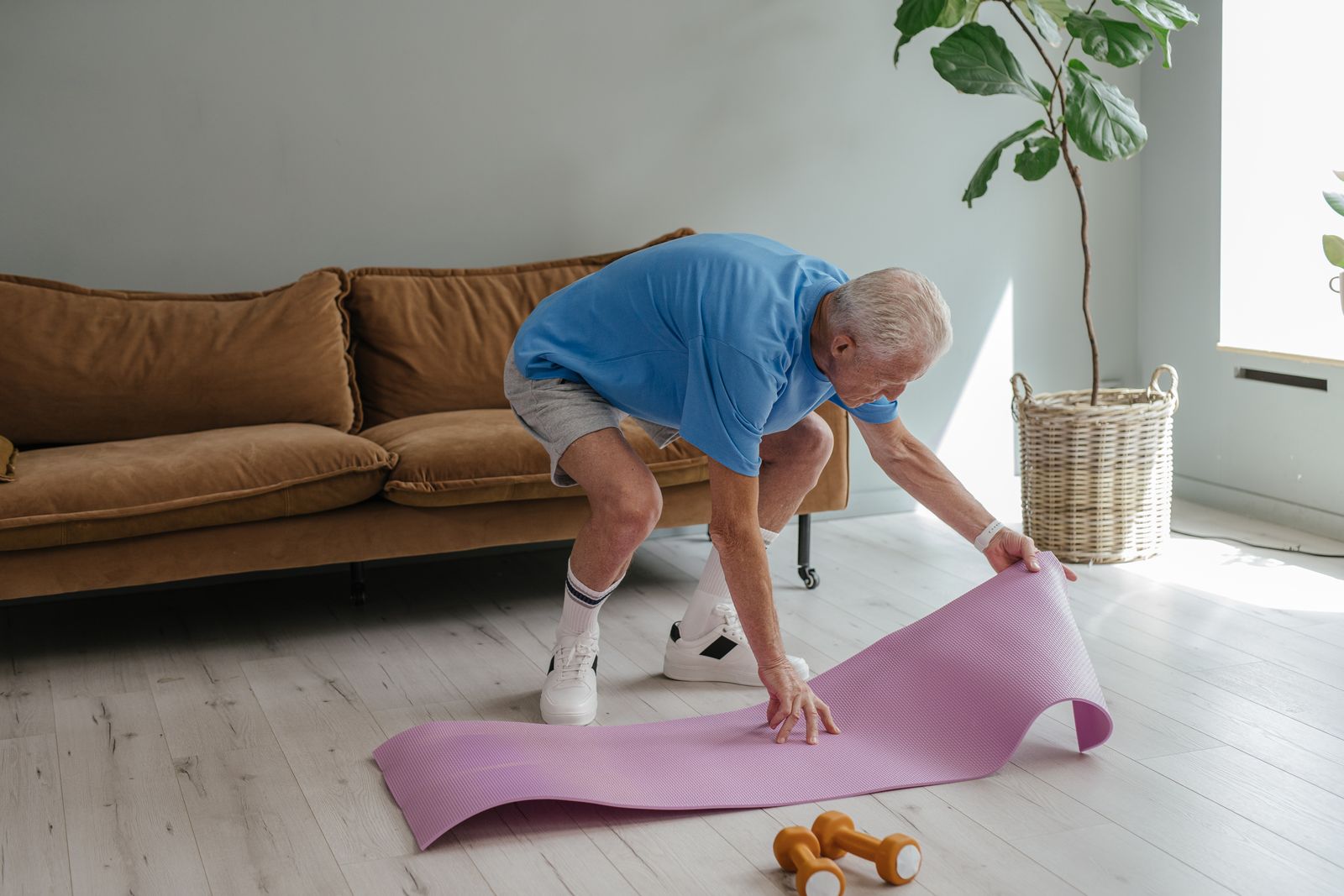
A sample session with one rest-pause slot
Keep two strength days. On one of them, pick a machine row or a dumbbell press you already know. Do two normal sets. On the third set, use one rest-pause cluster. Leave the rest of the session as straight sets.
Warm up as usual. Do not jump into a pause on a cold joint. NIH later-life pages still list a gentle start among the basics. That advice is useful at any age.
Write three numbers: first-cluster reps, pause seconds, extra reps. If the extra reps were slower but still tidy, you can keep the slot next week. If they were sloppy, drop the method and add a normal set instead.
British Heart Foundation strength pages still put two days a week at the centre. MedlinePlus exercise pages say the same idea in plainer US language: work the large muscle groups, and progress slowly. A pause is a small tweak, not a new identity.
Safety, racks and stopping rules
The pause only works if you can put the load down. A bar on your chest is not a rest. Use safeties. Test them with an empty bar. Ask for a spot if the gym expects one. Collars still belong on a loaded bar.
Stop the cluster if you feel chest pain, faintness, a sudden severe headache, or breathlessness that is not normal for you. Call 999 in the UK or 911 in the US if those signs are sudden. NHS heart attack pages list chest discomfort as a warning sign worth urgent care. A gym experiment is not worth a delay.
Joints get a vote. If an elbow or knee swells after a pause week, the extra cycles were too much. Go back to straight sets. NICE osteoarthritis guidance still prefers activity you can repeat. Cochrane reviews of exercise for knee osteoarthritis find modest help for some people when the plan is sustainable.
| Label | Value | Unit |
|---|---|---|
| Inside-set pause | 10-20 | seconds |
| Extra reps | 2-4 | |
| Slots per session | 1 |
How this sits with ordinary progressive overload
Use rest-pause as a short block, not a personality. Four weeks on one move is a fair trial. Then return to adding a rep or a small load on normal sets. That path is slower to film and better to live with.
If you like the extra reps, you can get a similar dose by adding a tidy fourth set with full rest. That is less dramatic and easier to recover from. Choose the pause only when time is short and the setup is safe.
People returning after illness, surgery, or a long lay-off should skip this tool until a clinician or qualified coach says the basics are in place. Ordinary sets still meet the public-health floor.
How to run a rest-pause set cleanly
Rest-pause training breaks one hard set into clusters: work to near technical failure, rest ten to twenty seconds, then continue for a few more repetitions with the same load. It extends a set without needing a second warm-up. It is optional seasoning, not a required method for progress.
Choose machines or dumbbells you can set down safely. Example: a seated row for ten repetitions, rack for fifteen seconds, then four more. Stop if the torso starts swinging. One rest-pause set at the end of an exercise is enough; stacking them on every move wrecks the rest of the session.
Who should skip rest-pause for now
Skip it while you are still learning a lift, during deloads, or when a joint feels unstable under fatigue. Strength beginners progress well on straight sets with clear logs. If you enjoy rest-pause, keep it on accessories and leave squats, presses and pulls as clean, fully rested sets most of the year.
Where rest pause training fits in a normal week
Schedule rest pause training on days you can protect, not on the most chaotic evenings. Two quality exposures usually beat five rushed ones. If you miss a day, continue the plan rather than doubling up and irritating tissues.
Review every fourth week: keep what improved technique or comfort, drop what only produced fatigue. Share the log with a coach or clinician if progress stalls or pain becomes the main story.
Rest-pause versus straight sets
Straight sets remain the default because they are easy to log and recover from. Rest-pause is a time-efficient way to accumulate a few more hard repetitions after a main set, not a replacement for the whole programme. If your straight-set numbers are still climbing week to week, you do not need rest-pause yet.
Compare like with like in your notes: same exercise, same load, total repetitions completed, and how the joint felt the next day. That record decides whether the method earns a permanent place or stays as an occasional finisher.
Frequently asked questions
Is rest-pause the same as a drop set?
How long should the pause be?
Can I use this on squats and deadlifts?
How often should I use rest-pause?
Do I need this to get the NHS activity benefit?
Sources
- 1. Physical activity guidelines for adults aged 19 to 64
- 2. Strength exercises
- 3. Adult Activity: An Overview
- 4. Physical activity fact sheet
- 5. Strength exercises
- 6. Physical activity guidelines
- 7. Heart attack symptoms
- 8. Exercise
- 9. Four types of exercise
Guidance changes. Figures were checked against the sources above at the time of review; always confirm current advice with your GP, pharmacist or clinician.
Image credits
- Photo: Photo by cottonbro studio on Pexels / Openverse
- Photo: Photo by Victor Freitas on Pexels / Openverse
- Photo: Photo by SHVETS production on Pexels / Openverse
Was this useful?
Anyone can react — no account needed.


Discussion
0 comments · Name and email only · Email is never shown