Weight Management Science explainer
Weight-Loss App Red Flags: Overpromising, Unsafe Targets and Missing Context

Weight loss app red flags are often written in the advert, not in the settings. This is a source-reviewed guide, not a hands-on lab test. A precise deadline, a crash calorie floor, or a pen sold without a clinician are not “motivation.” They are the problem.
Weight loss app red flags in advertising
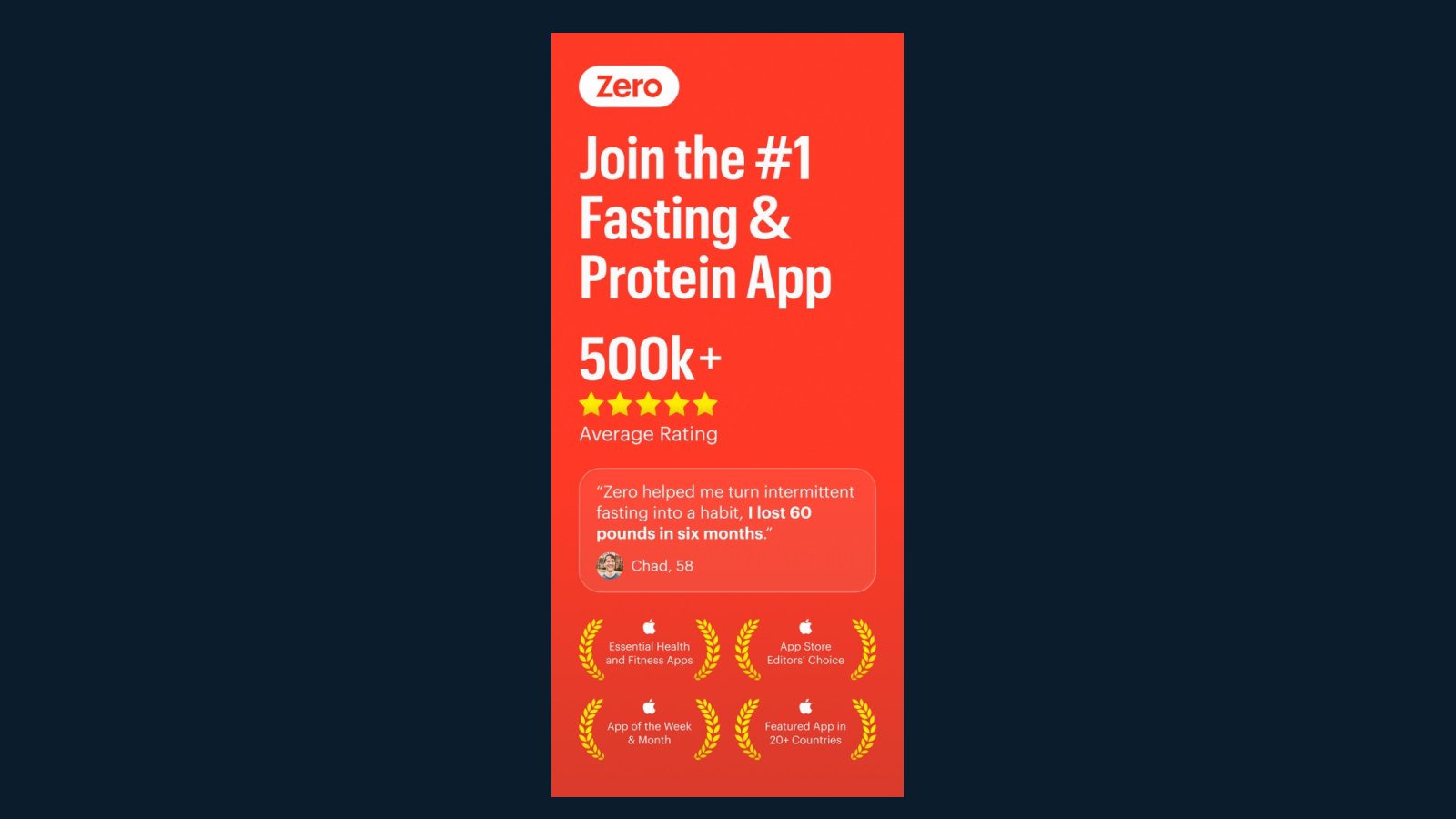
Weight loss app red flags often start in the headline. If it names a number and a date, stop. CAP rule 13.9, captured 13 September 2026, does not allow marketers to promise a rate or amount of loss in a set time, even if they hold some evidence. The ASA has upheld complaints about “drop X pounds in 12 weeks” style lines.
Rule 13.1 also says effectiveness claims need proper human trials. Testimonials are not enough. An influencer “after” photo is not a trial. A five-star store score is not a trial. We omit store ratings here because they are not evidence of safety.
Body-part claims are another flag. “Melt belly fat” treats a tape measure as a laser. CAP treats spot-reduction language as a problem except in a narrow surgical-clinic context. An app cannot choose your waist.
Compare that tone with official NHS Better Health copy, which talks about habits, a 12-week structure, and seeing a GP if you have an eating disorder. The gap in voice is the first screen.
Unsafe calorie floors and missing medical context
NHS overweight pages, captured 13 September 2026, ask people who choose to lose weight to aim for about 1 to 2 lb, or 0.5 to 1 kg, a week. They also say a 5 to 10% loss can matter for health. That is a population steer, not your personal target.
CAP rule 13.7 says marketers of very low calorie diets, or any plan under 800 kcal a day, must present them as short-term and must push medical advice. NICE CKS text on obesity management, captured the same day, places 800–1,200 kcal “low-energy” diets inside specialist or other structured services—not as a casual download.
Another of the common weight loss app red flags is an onboarding quiz that sets 1,200 kcal or less for a small, active woman without asking about medicines, pregnancy, or binge–restrict history. Another is a plan that treats 800 kcal as a badge. Another is “eat as much as you like and still lose,” which CAP also rejects.
If you need a food-based programme rather than a crash floor, entity pages such as the WeightWatchers review and the Slimming World app review describe commercial memberships. They are still not medical devices. They should not inherit miracle math.
Eating-disorder risk the sign-up flow ignores
Eikey (2021, qualitative interviews with university women) described how diet and fitness apps can normalise rigid tracking, colour-code “good” and “bad” foods, and stay in a pocket all day. Participants linked those features to worsening preoccupation. That study cannot measure nationwide harm. It can explain why a cheerful streak is not harmless for everyone. Weight loss app red flags include any flow that never asks about that risk.
NHS Better Health tells people with a current or past eating disorder to talk to a clinician before they change food or activity. NICE HTG700 requires digital multidisciplinary tools used in the NHS to include, or have access to, psychological support and to watch for disordered eating. A consumer app that never asks about bingeing, purging, or a very low BMI is not matching that standard.
Watch for these in-app patterns. A scale widget you cannot hide. Public leaderboards. Streaks that break if you skip a log. Coaching scripts that praise hunger. A BMI gate that still lets a person with a low BMI start a deficit after they tick “I agree.”
The Noom review is the place for that product’s own claims. This page is about the pattern. Colour-coded food lists can help some people. They can also turn lunch into a moral test.
Unlicensed medicines sold beside an app
Weight loss app red flags now include the shop tab. If the same icon sells a “research” vial or a compounded GLP-1 copy, read the FDA consumer page captured 13 September 2026. Warning signs include “same as the approved drug,” prices that look too cheap, no licensed clinician, warm parcels, and labels with fake pharmacy names.
As of 31 May 2026 the FDA had 990 adverse-event reports tied to compounded semaglutide and more than 730 for compounded tirzepatide. The agency says those events are likely under-counted. Retatrutide and cagrilintide must not be compounded under the rules on that page.
NICE HTG700 allows only named digital tools, after DTAC and a clinician assessment, to prescribe weight-management medicine in NHS use. A random store app is not on that list because it copied a syringe illustration. Our GLP-1 companion apps page lists what a log should record—and what it must not promise.
| Question or claim | Evidence source | Study type | Population | Comparator | Outcome | Key finding | Limitation | Applicability |
|---|---|---|---|---|---|---|---|---|
| Can an ad name exact loss in a set time? | UK CAP Code 13.9 / ASA advice | Advertising rule | UK marketers | Not a clinical trial | Permitted claims | Time-bound amount claims are not allowed | UK advertising, not US FTC text | Any app sold with UK ads |
| What weekly rate is treated as poor practice? | CAP 13.10; NHS overweight pages | Rule plus public health advice | Adults in those documents | Not a trial | Pace | About 2 lb / 1 kg a week is the usual ceiling for people who are overweight; NHS aims 0.5–1 kg | Obesity early weeks can differ; individuals vary | Crash-app targets |
| Are apps proven long-term treatments? | Cochrane CD013591, 2024 | Systematic review of RCTs | 18 trials, 2,703 people | Minimal help or coaching | Weight at ≥12 months | No clear clinically important benefit | Apps differed | Undercuts “clinically proven app” copy |
| Can tracking features worsen disordered eating? | Eikey, BJPsych Open 2021 | Qualitative interviews | University women in the UK sample | No quantitative control | Lived experience | Apps described as always-on diet tools that can intensify preoccupation | Not a prevalence estimate | Why missing ED questions matter |
| What flags an unapproved GLP-1 shop? | FDA unapproved GLP-1 page | Regulator consumer advice | US patients and clinicians | Not a trial | Safety reports to 31 May 2026 | 990 compounded semaglutide AE reports; 730+ tirzepatide; “same as branded” is a warning sign | Reports are not confirmed causation | Any app checkout for pens |
Streaks, shame scores and missing context
Gamification is not neutral, and it sits on the same list of weight loss app red flags as a crash target. A flame that dies at midnight can push a late weigh-in or a skipped dinner. A “nutrition grade” can turn beans into a sin if the database is wrong. Food databases miss homemade food. They also miss the difference between a child and an adult portion.
Context the app often skips: medicines that raise weight, menopause, oedema, a new strength block, and the menstrual cycle. Our progress guide covers daily scale noise. A red-flag app treats every +0.4 kg as failure.
BMI-only onboarding is another miss. People with high muscle or different body shapes get the wrong lecture. People with a “healthy” BMI and a large waist get none. See BMI and waist circumference.
Privacy is a quieter flag. If the privacy policy is missing, or if a coach in another country can see your photos with no deletion path, treat that as a data risk. We do not invent store-label scores here. Read the live label in your country.
A practical red-flag checklist
Use this list of weight loss app red flags. Close the app if you see three or more of these. A time-bound kilogram promise. A default under 800 kcal. No eating-disorder question. A pen shop with no named prescriber. A public shame board. A claim that Cochrane-style uncertainty does not apply because “our users” are different.
Prefer products that name a legal company, a complaints route, and a human you can reach when vomiting starts. Prefer referred NHS digital services if you meet the gates. Prefer a paper plan plus a GP if the store shelf feels like a contest.
Fasting timers with “autophagy” badges belong in the same pile. See fasting apps evidence. A clock is a clock.
Frequently asked questions
What is the biggest weight loss app red flag?
Is a low calorie target always unsafe?
Do I have to avoid all calorie tracking?
Are compounded GLP-1 add-ons a deal sweetener?
Does a high store rating cancel these flags?
Where should I go instead?
Sources
- 1. Weight control: Calorie-controlled diets
- 2. Overweight and obesity in adults
- 3. Smartphone apps for people with overweight or obesity
- 4. Effects of diet and fitness apps on eating disorder behaviours: qualitative study
- 5. FDA’s Concerns with Unapproved GLP-1 Drugs Used for Weight Loss
- 6. Digital technologies for delivering multidisciplinary weight-management services
Guidance changes. Figures were checked against the sources above at the time of review; always confirm current advice with your GP, pharmacist or clinician.
Image credits
- Photo: Photo by Ketut Subiyanto on Pexels / Openverse
- Photo: Photo by Pixabay on Pexels / Openverse
- Photo: Photo by Jane Doan on Pexels / Openverse
- Photo: Photo by Klaus Nielsen on Pexels / Openverse
- Photo: Photo by Sasha Kim on Pexels / Openverse
Was this useful?
Anyone can react — no account needed.


Discussion
0 comments · Name and email only · Email is never shown