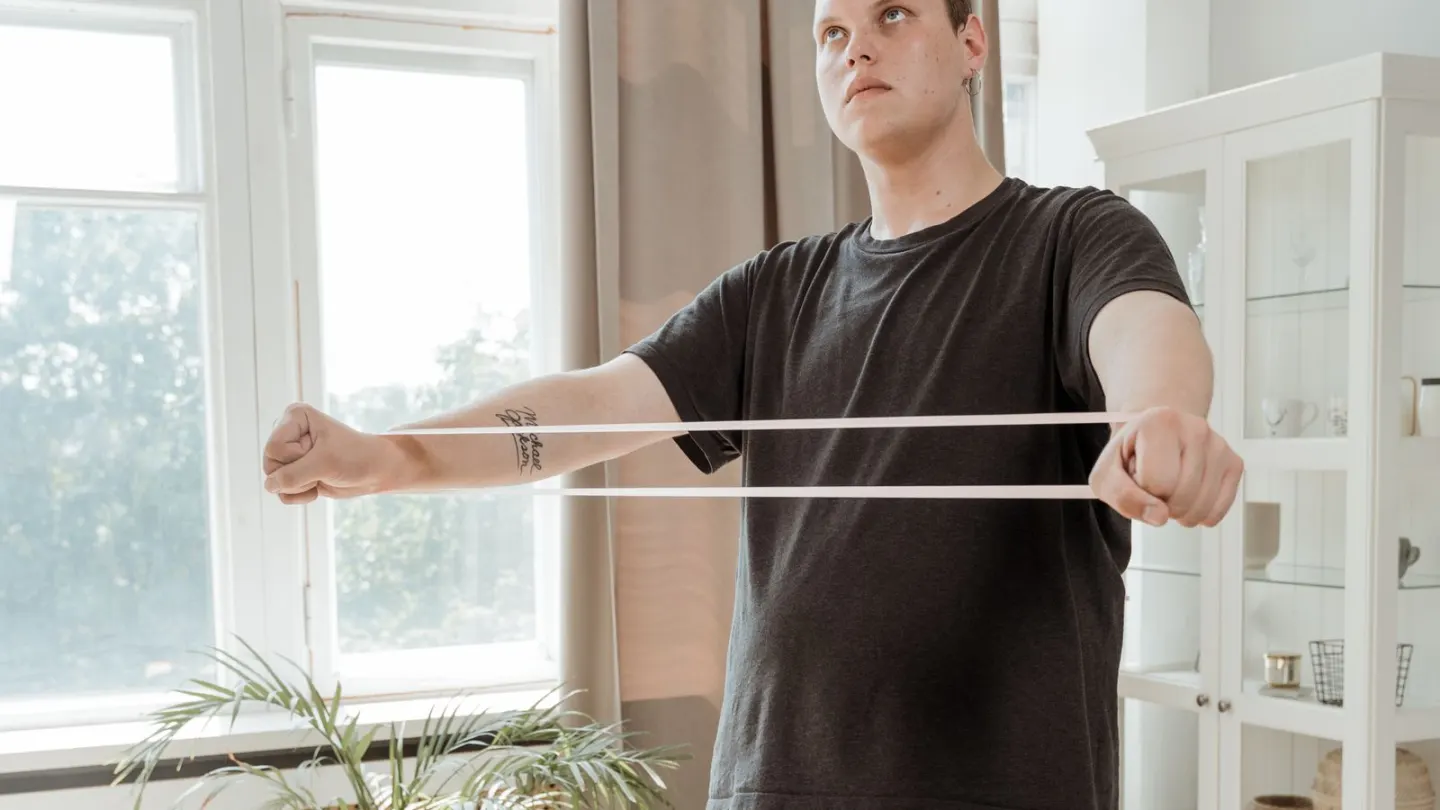
Band pull aparts train the muscles that draw the shoulder blades back. They are a small home drill for desk posture, not a miracle for a “rounded” back.
Hours at a keyboard leave many people with a tired upper back. Band pull aparts give those rear shoulder and mid-back muscles a job. The NHS lists working with resistance bands as a valid muscle-strengthening method. The CDC counts band work toward the two weekly strengthening days if you work hard enough to need a brief rest.
This guide keeps the move honest. You will set up a light band, learn a clean line, and progress without yanking the neck. Pair it with a fuller resistance-band full-body home workout rather than repeating pull-aparts until your shoulders complain.
What band pull aparts are for
The movement is simple. You hold a band at chest height and pull it apart until your arms form a wide T. Then you return with control. The useful tension is in the back of the shoulders and between the shoulder blades, not in the wrists or the neck.
Desk work does not “ruin” posture on its own. Long still positions can make some tissues feel stiff. A few sets of band pull aparts after work can restore a sense of width across the upper back. They will not change your skeleton. They can make sitting and reaching feel less cramped if you also stand, walk, and train the rest of the body.
NHS strength advice asks adults to work all major muscle groups on at least two days a week. Pull-aparts cover a slice of the upper back and shoulders. They do not cover legs, hips, or the chest pushing muscles. Keep a second session that squats, hinges, and pushes, such as a no-equipment full-body circuit.
| Variable | Beginner target | What “good” looks like |
|---|---|---|
| Days each week | 2 | Non-consecutive days after desk work or as a warm-up |
| Sets | 2 to 3 | You could do two more clean reps at the end of each set |
| Repetitions | 8 to 15 | The band stays taut; the neck stays long |
| Tempo | 2 seconds out, 2 seconds back | No bounce at the end range |
| Rest between sets | 45 to 75 seconds | Shoulders feel ready, not buzzing |
Choose a band you can control
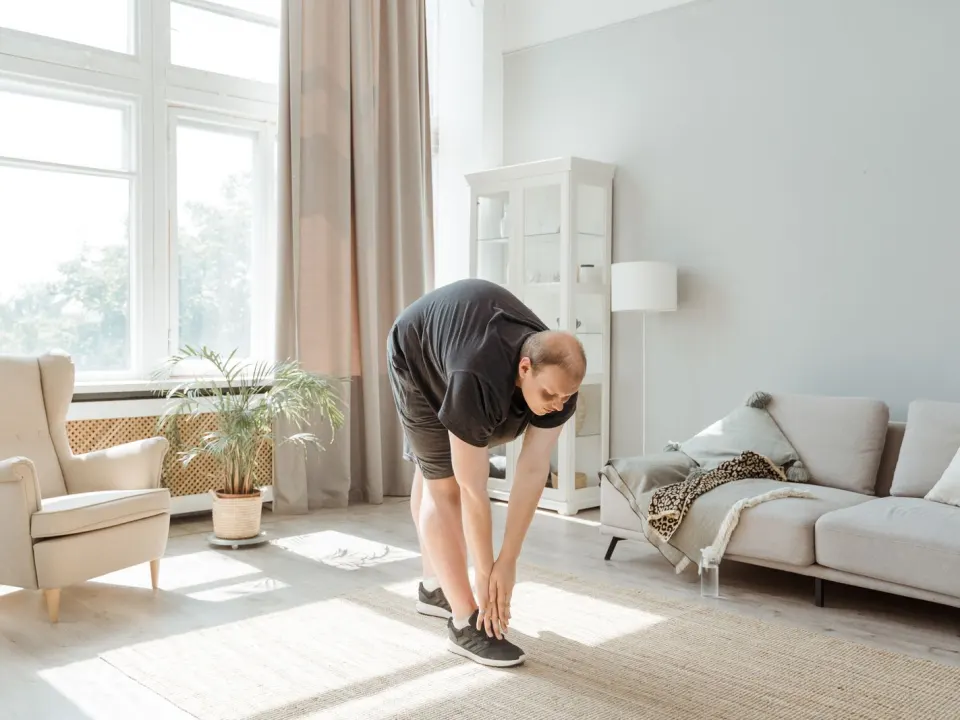
A loop or a long mini-band both work. Colour systems vary by brand, so ignore the label and test the feel. At chest height, with hands a little wider than the shoulders, you should feel light tension before you even pull. If the band is slack at the start, take a narrower grip or fold the band.
If you cannot complete eight slow reps without bending the elbows or shrugging, the band is too strong. Swap down. Strength here comes from a full, tidy line, not from a thick tube you can barely move. Check the band for nicks. Replace it if the rubber looks cracked. Keep it away from sharp jewellery.
Stand on a clear rug or firm floor. You do not need a door anchor for this drill. Door-anchor rows belong in a longer band session, not in this isolated move. A light loop you can pack in a drawer is enough for band pull aparts at home.
How to do band pull aparts with a quiet neck
Stand tall with the ribs stacked over the pelvis. Hold the band at chest height, palms down or thumbs up. Soften the knees. Then pull.
- Set the start. Hands just wider than the shoulders. A faint stretch in the band. Shoulders down, not up by the ears.
- Pull apart. Imagine sliding the shoulder blades into the back pockets of a pair of jeans. Elbows stay almost straight. Wrists stay in line with the forearms.
- Pause. When the band reaches the chest or the arms form a T, pause for one second. Do not throw the chest forward.
- Return slower than you pulled. Let the band win a little. That eccentric phase is where many people rush and lose the upper-back work.
- Breathe. Exhale as you pull. Inhale as you return. Do not hold your breath.
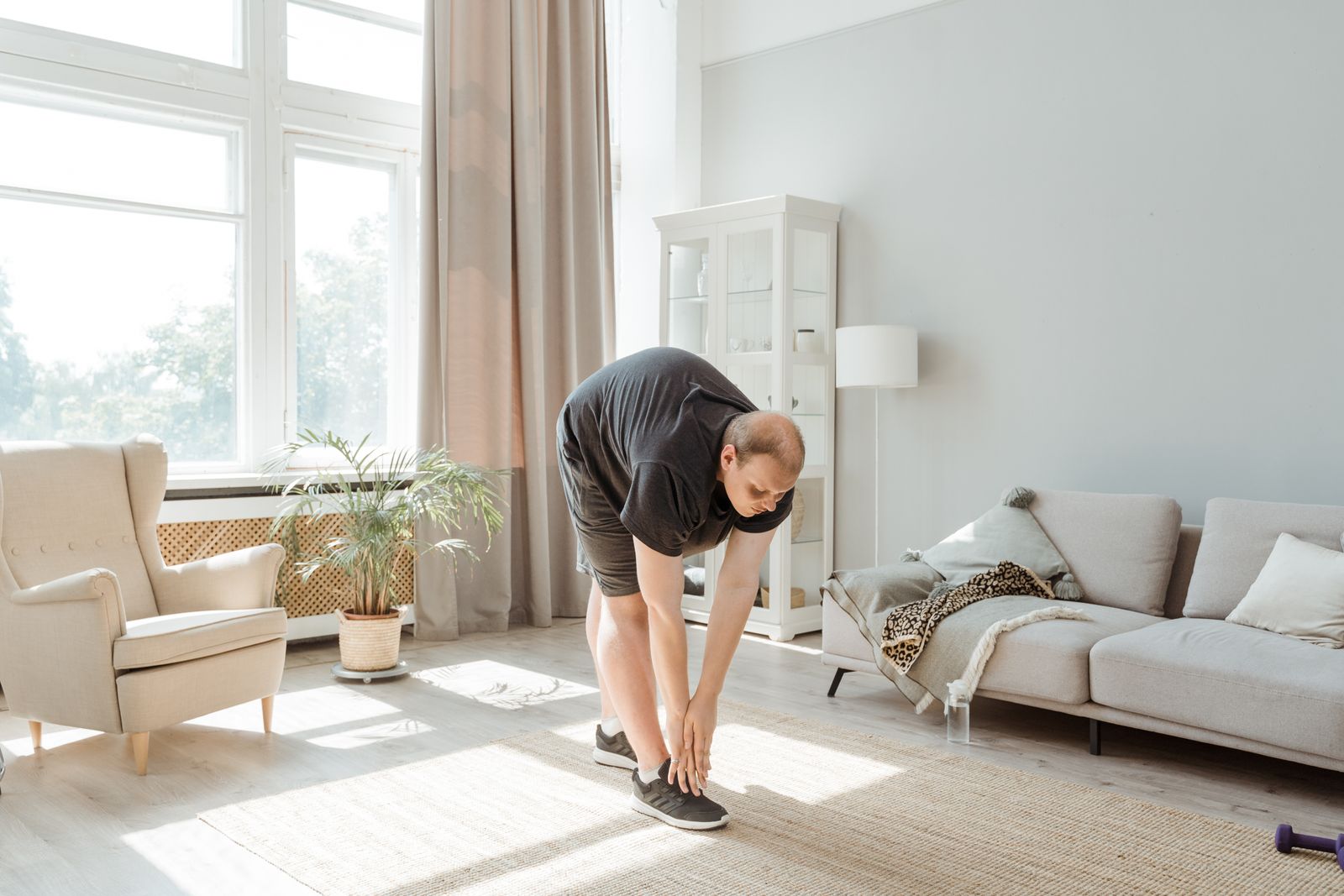
Film one set from the side if you can. The common fault is a head that pokes forward as the band moves. Think “tall throat” and look at a point on the wall at eye level. If the upper traps take over, shorten the range and slow down.
Progressions that do not wreck the shoulders
When 15 slow reps feel easy with two reps in reserve, make one change. A slightly stronger band is one option. A two-second pause at the wide position is another. A third is a diagonal pull: one hand slightly higher, then swap. Do not add all three in the same week.
A face-pull with a door anchor is a cousin of this drill, not a replacement on day one. Learn band pull aparts first because they need less set-up. If you share floors, this move is already neighbour-friendly. For other quiet options, see our quiet apartment workout with no jumping.
Place the drill after a five-minute warm-up of arm circles and easy marching, or at the end of a desk day before you sit to eat. It also works as the pulling piece inside a longer week. The four-week beginner bodyweight plan can take the legs and pushing work; the band covers the missing pull.
When to skip, swap, or get help
Skip this session if you have a new shoulder injury, unexplained arm numbness, or pain that wakes you at night. A band is light, but a poorly controlled pull can still irritate a cranky joint. Use a wall slide or a gentle standing “W” squeeze instead until a clinician has checked you.
People with high blood pressure should avoid holding the breath and straining. Exhale on the pull. If you have had shoulder surgery, follow the plan from your surgeon or physiotherapist rather than this general drill.
Stop for chest pain, faintness, or unusual breathlessness. Those signs are not “part of getting fit”. They are reasons to seek urgent help: 999 in the UK or 911 in the US if the problem is severe.
Pull-apart setup and weekly dose
Hold a light band at shoulder height, elbows soft, pull apart until the band touches the chest without shrugging. Aim for 3×12–15 most days you sit long hours, or as a finisher after pressing work. Choose a band that challenges the last three reps without form breakdown.
| Label | Value | Unit |
|---|---|---|
| Days each week | 2 | days |
| Sets | 2-3 | sets |
| Repetitions | 8-15 | reps |
| Tempo | 2/2 | seconds out/back |
Cues for neck-friendly posture work
Think “slide the shoulder blades into opposite back pockets” rather than yanking with the hands alone. Keep ribs down. If the neck flares, lower the band to chest height and slow the tempo.
Pairing with desk days
Two minutes of pull-aparts after the workday complements stretches. Strength at the end range of scapular control often helps more than stretching alone when upper-back fatigue is the complaint.
Session notes specific to band pull aparts
Before you repeat band pull aparts, decide the exact surface, footwear and support object you will use. Write the first set’s intended reps or seconds on paper. After the session, record only what changed: a deeper controlled squat, a quieter footfall, a longer wall-sit, or a press-up incline that felt more stable. Those notes beat vague intentions to ‘train harder’.
If a joint feels sharper during band pull aparts than muscularly tired, shrink range or choose the regression described earlier. Home training should leave you able to climb stairs and sleep that night. Seek GP or physiotherapy advice for pain that lingers, swells, or follows a fall.
Space hard versions of band pull aparts so similar patterns are not hammered on back-to-back days. A walk, easy mobility, or an upper-body focus can fill the gap while tissues adapt.
Practical checkpoints for band pull aparts
Rehearse the main drills for band pull aparts at the exact doses already listed. Change only one variable this week — range, tempo, or support — and write down the result the next morning.
Keep safety limits visible: sharp pain, dizziness, chest symptoms, or neurological changes mean stop and seek care. Modest consistency with band pull aparts beats sporadic intensity.
If your environment changed (new chair, different floor, travel), re-check setup before blaming the programme. Small environment fixes often restore comfortable technique faster than adding volume.
One more concrete week of practice
Schedule two appointments with yourself for the skills in this article. Session one copies the doses exactly. Session two adjusts a single cue that felt weakest — depth, quiet footfall, hold time, or screen height — and keeps everything else identical.
After those two sessions, keep what was sustainable. Discard any add-on that only worked once. That is enough experimentation for one week.
Frequently asked questions
How many band pull aparts should I do a day?
Should my palms face down or up?
Why do my wrists or neck hurt?
Can this fix desk posture on its own?
Do I need a door anchor?
Sources
- 1. Physical activity guidelines for adults aged 19 to 64
- 2. How to improve your strength and flexibility
- 3. What counts as physical activity for adults
- 4. Physical activity guidelines
Guidance changes. Figures were checked against the sources above at the time of review; always confirm current advice with your GP, pharmacist or clinician.
Image credits
- Photo: Photo by MART PRODUCTION on Pexels / Openverse
Was this useful?
Anyone can react — no account needed.



Discussion
0 comments · Name and email only · Email is never shown