Mental Wellbeing Science explainer
When a Drink-Less App Is Not Enough: Safety, Withdrawal and Support

Alcohol reduction app safety is a hand-over question, not a feature list. This is a source-reviewed guide, not a hands-on lab test. A diary can log units. It cannot run medically assisted withdrawal.
NHS pages on alcohol-use disorder are blunt. If you get withdrawal when you cut down, get medical help before you try to stop. NICE CG100 tells clinicians that a sudden drop can trigger severe withdrawal in dependent drinkers. An app toggle does not change that physiology.
What alcohol reduction app safety actually means
Safety here is not a star rating. It is whether the product is the wrong tool for the body in front of you. Apps in this category assume you can skip a drink without a medical event. Many people can. People with dependence may not.
NICE NG183 still wants you to read terms, check data use, and know there may be a fee. Those are consumer cautions. The clinical caution is larger. If you already shake in the morning, you are outside the self-serve model.
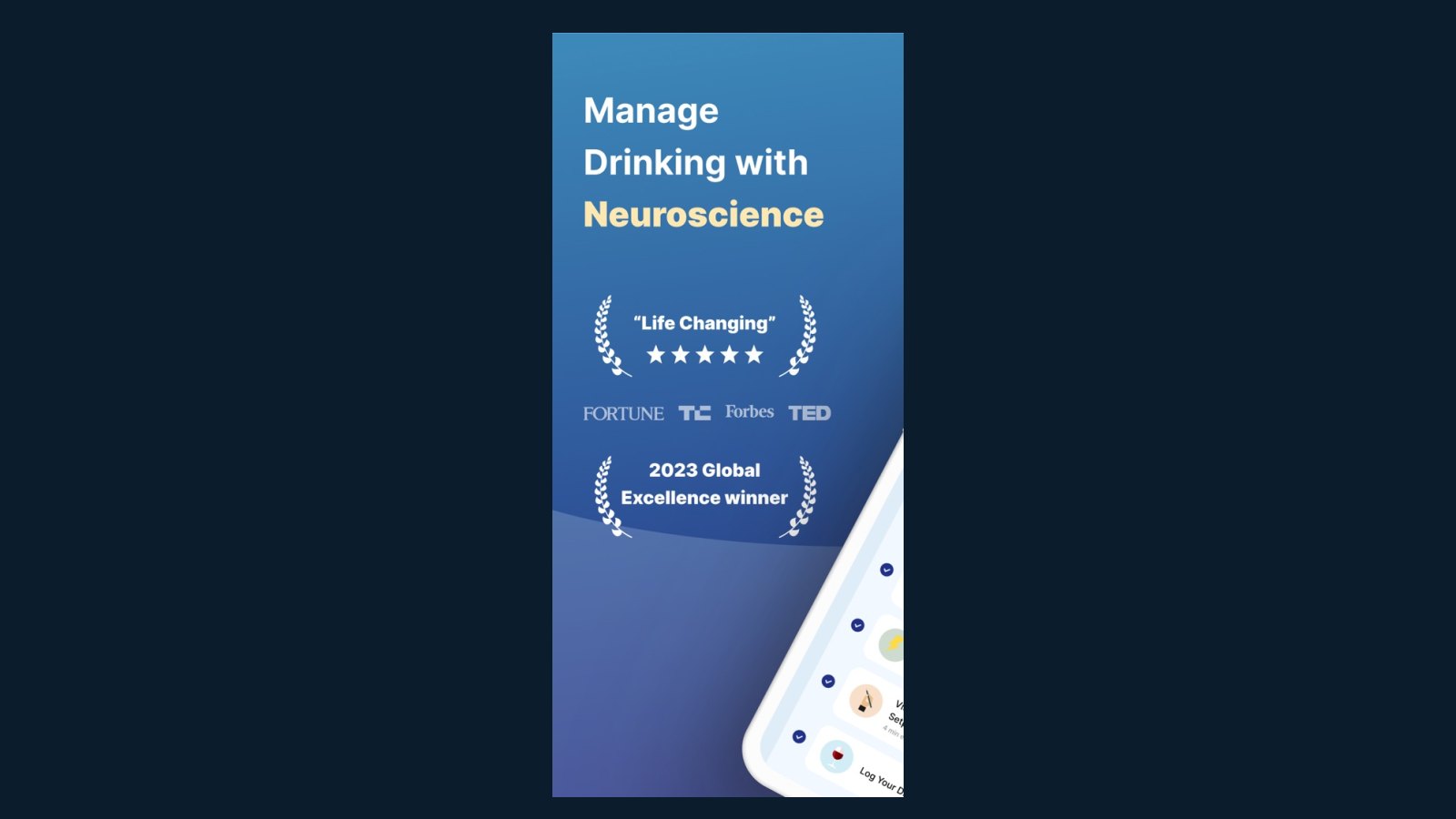
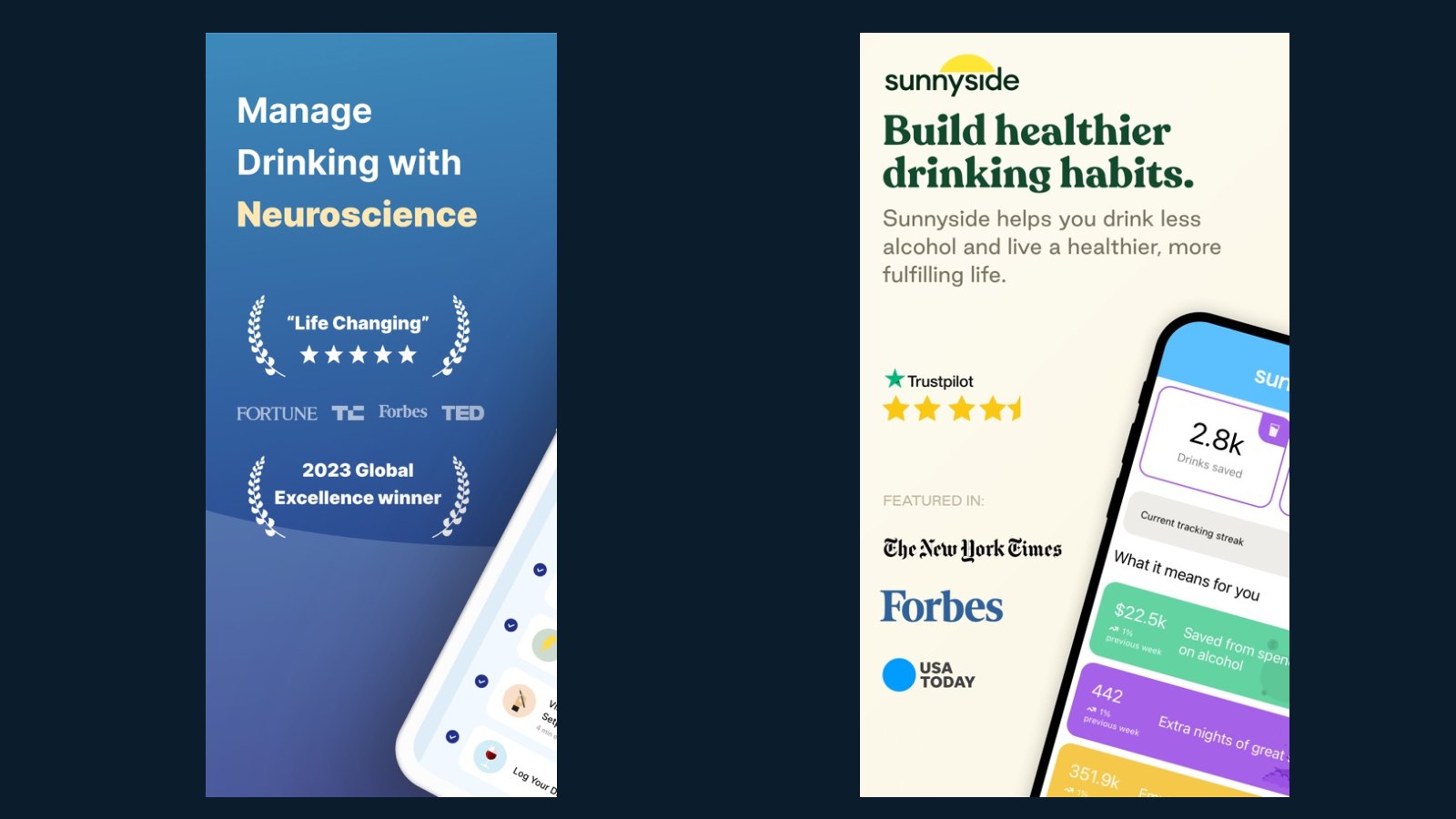
Outcome evidence lives on the alcohol reduction app evidence page. Product pages for Reframe and Sunnyside do not hand-over. The best stress apps hub is a selection list, not a withdrawal protocol.
| Question / claim | Evidence source | Study type | Population | Comparator | Outcome | Key finding | Limitation | Applicability |
|---|---|---|---|---|---|---|---|---|
| Can I stop suddenly if I am dependent? | NHS alcohol-use disorder page | Clinical guidance | People who drink at dependent levels | Not a trial | Withdrawal symptoms and emergencies | Do not stop suddenly if dependent; get help first. Symptoms may start in 6–12 hours | Not app-specific | Anyone with past withdrawal or very heavy daily use |
| Who needs hospital withdrawal care? | NICE CG100 | NICE guideline | People in acute alcohol withdrawal | Community vs inpatient pathways | Seizures, delirium tremens | Offer hospital admission if seizures or DTs are present or likely | 2010 recommendations inside a later update shell | Clinician decisions, not app users scoring themselves |
| Are drink-less apps first-line treatment? | NICE NG183 | NICE guideline (2020) | People using digital behaviour-change tools | Existing alcohol services | Intake reduction as an adjunct | Consider digital tools as an add-on; effectiveness varies; seek a professional if worried | Not a withdrawal guideline | People already in, or able to reach, services |
| Is unplanned stopping dangerous in the US framing? | NIAAA treatment fact sheet | Federal patient information | People with heavy, prolonged drinking | Not a trial | Withdrawal severity | Sudden stop can be painful or life-threatening; seek medical help to plan recovery | Not product-specific | US readers; same physiology as UK pages |
| Did a large app RCT report many harms? | Oldham et al., 2024 | RCT safety note | 5,602 UK higher-risk drinkers | NHS webpage | Self-reported trial-linked adverse events | <0.1% of responders at 1, 3, or 6 months | Not a dependence-withdrawal study | Motivated community drinkers, not A&E presentations |
Withdrawal signs that mean the app is the wrong tool
NHS names a cluster: anxiety, insomnia, nausea or vomiting, sweating, tremor, a racing heartbeat, seeing or hearing things that are not there, confusion, and seizures. Those can last three to seven days. Some symptoms linger for months after heavy use.
MedlinePlus (US National Library of Medicine) says symptoms often begin within about eight hours, can start later, and often peak between 24 and 72 hours. Call 911 or go to an emergency department for seizures, fever, severe confusion, hallucinations, or irregular heartbeats.
Do not use an app checklist as a CIWA–Ar score. NICE mentions CIWA–Ar as a clinician aid, not a consumer game. If you have had seizures or delirium tremens before, do not experiment with a “dry January” slider.

Who a drink-less app may still suit
People who drink above low-risk guidance, want to cut down, and have never had withdrawal are the group most digital trials recruit. Drink Less required motivation and an AUDIT of 8 or more. It did not enrol people mid-seizure.
NICE NG183 says interacting more than once may work better than a one-off prompt, and that a one-off prompt still beats nothing. Personalised normative feedback — seeing your intake against peers — is named as a component that may suit some people.
That is still an adjunct. If work, parenting, or driving is already unsafe, book help. In the UK start with a GP, an alcohol service, or NHS 111. Drinkline is listed on NHS pages as a national helpline. In the US start with a clinician or SAMHSA’s FindTreatment tool, and use 988 if you are in crisis.
Privacy, cost and other non-clinical risks
NG183 asks you to check how personal information is used, and whether you can pay ongoing fees. A drink log is health-adjacent data. We did not audit Reframe or Sunnyside binaries for this safety page. Read the store privacy label on the entity review before you paste a daily total into a cloud diary.
Cost pressure is a safety issue if it keeps you in a paid coach instead of a clinic. We will not invent prices here. Check the live storefront. Cancel in the same store you used. Uninstalling the app does not always stop a bill.
If evening drinks and stress eating travel together, the stress eating practical guide is the food half. Swapping biscuits for a third drink is not a treatment plan.

A simple hand-over rule
Write the rule while you are steady. If you need a morning drink to stop shaking, the app is done. If you see things that are not there, the app is done. If someone you live with says you are confused about the day, the app is done. Call emergency services.
If you want to cut down and you are not sure whether you are dependent, do not run a home taper from a forum. Ask a GP or an alcohol service. UK clinical guidelines describe community medically assisted withdrawal for some people and inpatient care for others. That sorting is clinical work.
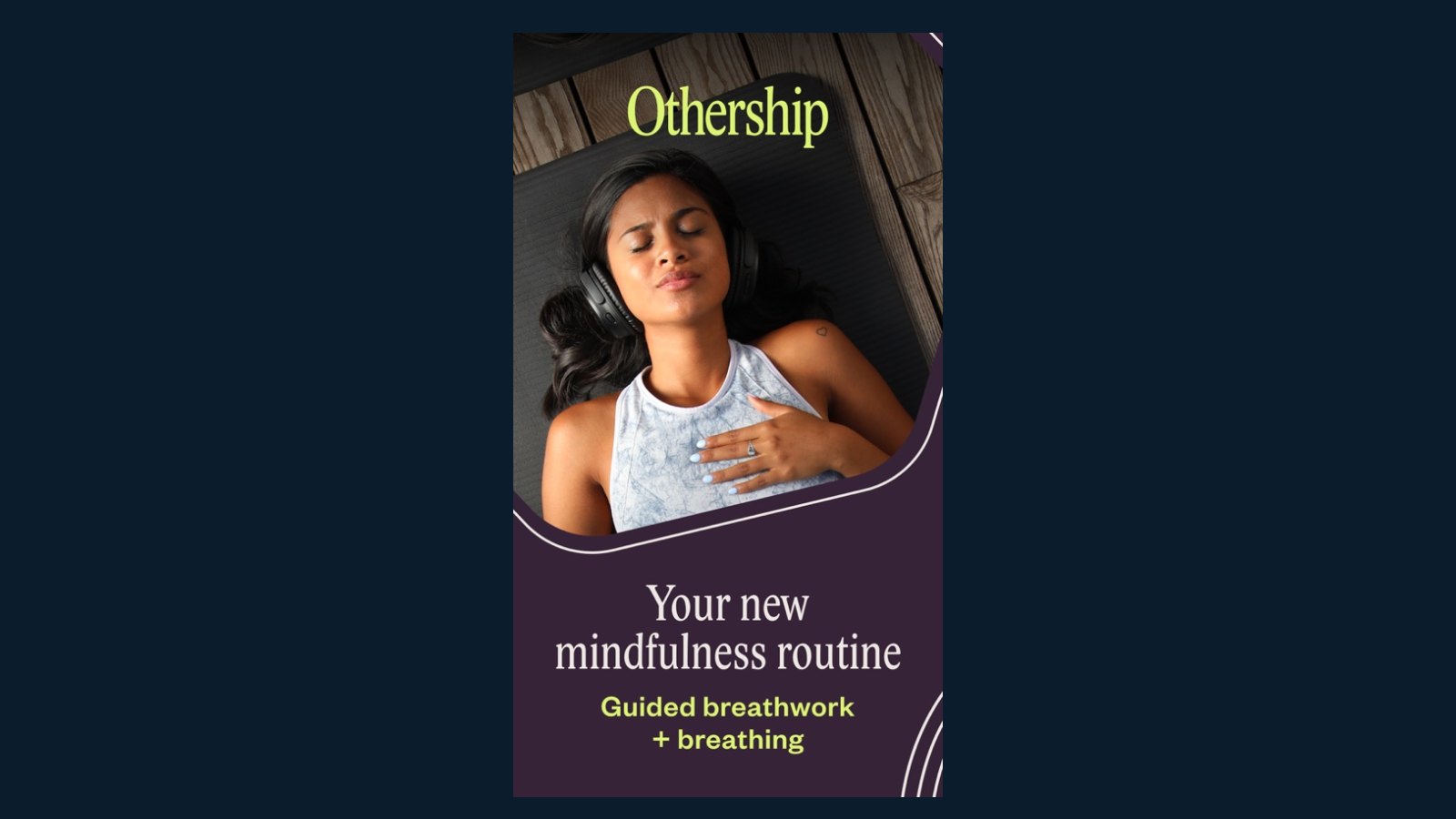
Breathing or coaching apps such as Breathwrk or Othership do not treat alcohol withdrawal. They are a different job.
What we did not verify
We did not test in-app crisis buttons. We did not confirm whether every commercial drink-less app shows a withdrawal warning on first launch. If a listing is silent, assume it is silent. That is a reason to keep official pages in your notes app, not a reason to trust a paywall.
We did not diagnose anyone. AUDIT scores in trials are screening, not a full assessment. A high score is a reason to talk to a person, not to buy a year plan.
Frequently asked questions
When is alcohol reduction app safety the wrong question?
Can I use an app while I wait for an appointment?
Are drink-less apps safe because a trial reported few adverse events?
What numbers should I call?
Does NICE recommend a specific app?
Did you review these apps in a lab?
Sources
- 1. Alcohol-use disorder
- 2. Alcohol-use disorders: diagnosis and management of physical complications (CG100)
- 3. Behaviour change: digital and mobile health interventions (NG183)
- 4. Treatment for alcohol problems: finding and getting help
- 5. Alcohol withdrawal
- 6. Effectiveness of a smartphone app (Drink Less) versus usual digital care
Guidance changes. Figures were checked against the sources above at the time of review; always confirm current advice with your GP, pharmacist or clinician.
Image credits
- Photo: Photo by Pixabay on Pexels / Openverse
- Photo: Photo by cottonbro studio on Pexels / Openverse
- Photo: Photo by mentatdgt on Pexels / Openverse
- Photo: Photo by Italo Melo on Pexels / Openverse
Was this useful?
Anyone can react — no account needed.
Discussion
0 comments · Name and email only · Email is never shown