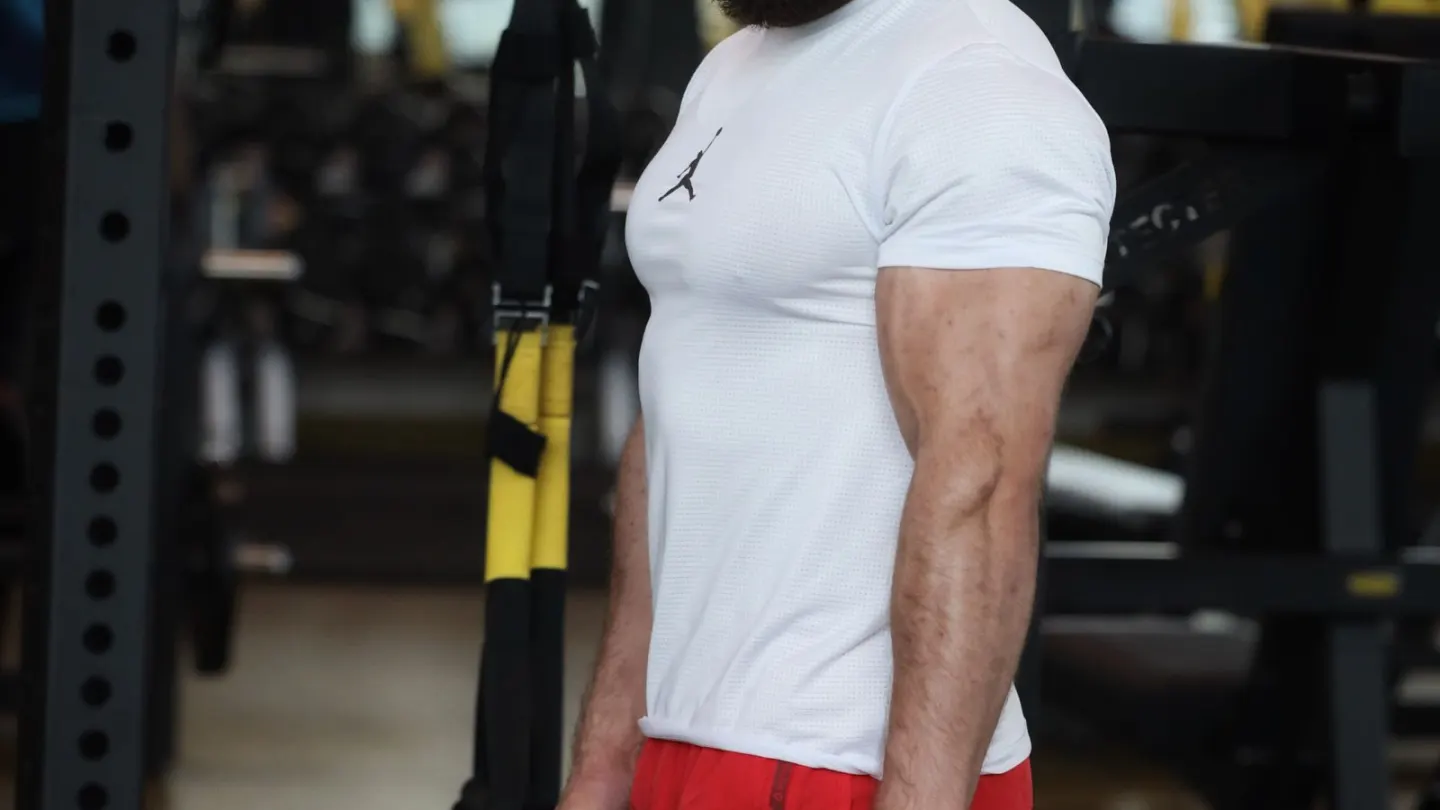
Training to failure means you stop a set when you cannot complete another clean rep. It is a tool, not a weekly rule. ACSM’s 2026 review found it is not required for strength, size, or power in healthy adults.
A hard last rep can still have a place. A machine curl is a different risk from a squat that is already wobbling. This science piece translates ACSM, NHS, CDC, and WHO activity advice into ordinary gym minutes. It does not promise bigger muscles. It does not tell you to ignore pain.
Most adults still miss the simple target. NHS and CDC both want muscle work on at least two days a week, plus about 150 minutes of moderate activity. A tidy set with two reps left often beats a sloppy grind.
What training to failure actually means
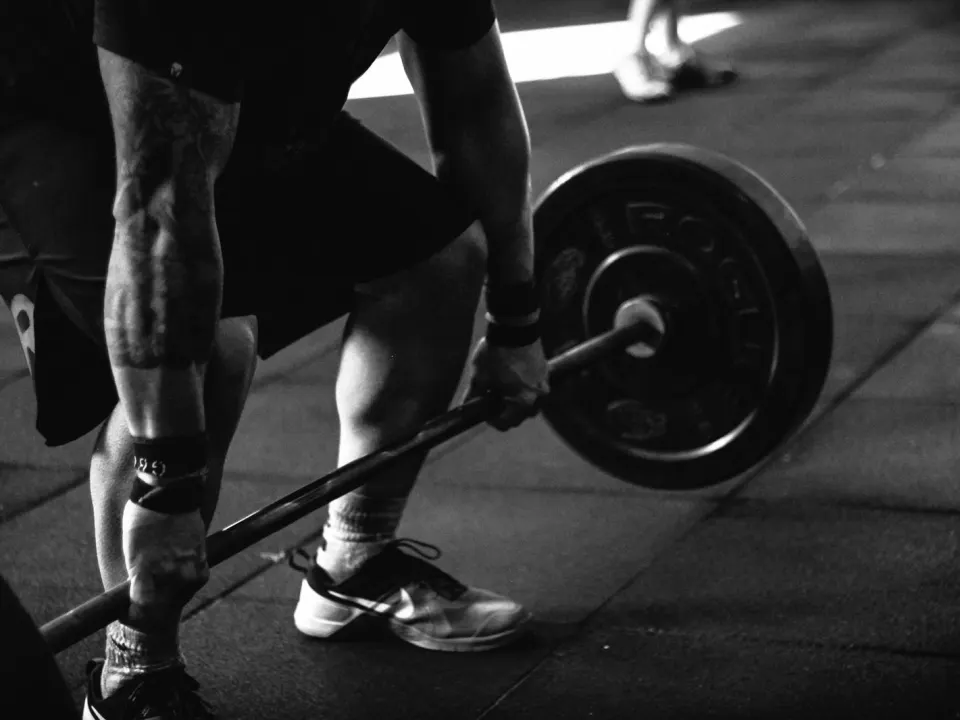
In the gym, “failure” is not collapse. It is the point where another full rep would need a hitch, a bounce, or a spotter’s lift. You could still hold the weight. You could not move it through the same path with the same control.
That line is easy to miss. Ego pushes past it. Fatigue hides it. A mirror does not catch a hip that shoots up on the last press. If the bar path changes, you have already gone too far for that set.
ACSM’s 2026 position stand used a large umbrella of reviews. Completing sets to momentary muscle failure did not reliably add extra strength, size, or power for healthy adults. Near-failure work was enough. The authors point to a target of about two to three reps in reserve.
That is a calm finding. It does not say last-rep work is banned. It says most people do not need it as a default. Showing up twice a week still matters more than one heroic set.
What ACSM, NHS and CDC actually ask of a week
The ACSM paper also stresses a bigger jump. The largest gain comes when someone moves from no resistance work to any regular resistance work. Fancy methods did not consistently change results for the average healthy adult.
NHS adult guidance still wants activity most days. Aim for at least 150 minutes of moderate work a week, or 75 minutes of vigorous work. Add muscle-strengthening on two or more days. CDC uses the same two-day muscle floor. WHO matches the 150-minute aerobic line.
Those minutes can be a brisk walk, a cycle, or a swim. Muscle work can be a gym hour, a class, or a home session with a pack. A beginner gym workout plan already covers the major moves. You do not have to empty the tank on every set to “count” the day.
ACSM’s older shape is still a useful picture for many adults: two or three sessions a week, major muscle groups, several sets, and loads you can control. Rest two or three minutes on heavy compounds. That is not a contest plan. It is a health plan with room to progress.
| Set type | Effort to aim for | How often in a typical week |
|---|---|---|
| New lift or a return after a break | Stop with several clean reps left | Until the pattern looks quiet on video or in a rack |
| Squat, hinge, press, or row | About 2 to 3 reps in reserve | Most working sets |
| Stable machine isolation | Last clean rep on the final set is optional | At most one session in about 7 to 10 days |
| Weekly muscle work | Hard enough to progress, not sloppy | NHS and CDC: 2 or more days |
| Aerobic minutes | Talk-test brisk walking counts | About 150 minutes moderate, or 75 vigorous |
When a last hard set can help
There is a case for a rare grind. If you already lift well, a final machine set can teach you what “two reps left” feels like. You learn the difference between discomfort and a stuck joint. That lesson can make the next month more honest.
Isolation moves on a seated machine are the usual setting. The path is fixed. A spot is built in. You can miss a rep without a bar landing on a rib. Even then, one last set is plenty. The rest of the session can stay two reps short of the wall.
Bodybuilding-style blocks sometimes use more last-rep work. That is a sport choice. It is not a health rule. ACSM still treats those methods as optional for general fitness. Enjoyment and safety beat a protocol you will skip in week three.
If you want size, volume across the week still matters more than one death-set. Add a set. Add a day. Slow the lower. Those are quieter ways to progress. Our progressive overload guide uses the same idea: change one variable at a time.
How often training to failure hinders a week
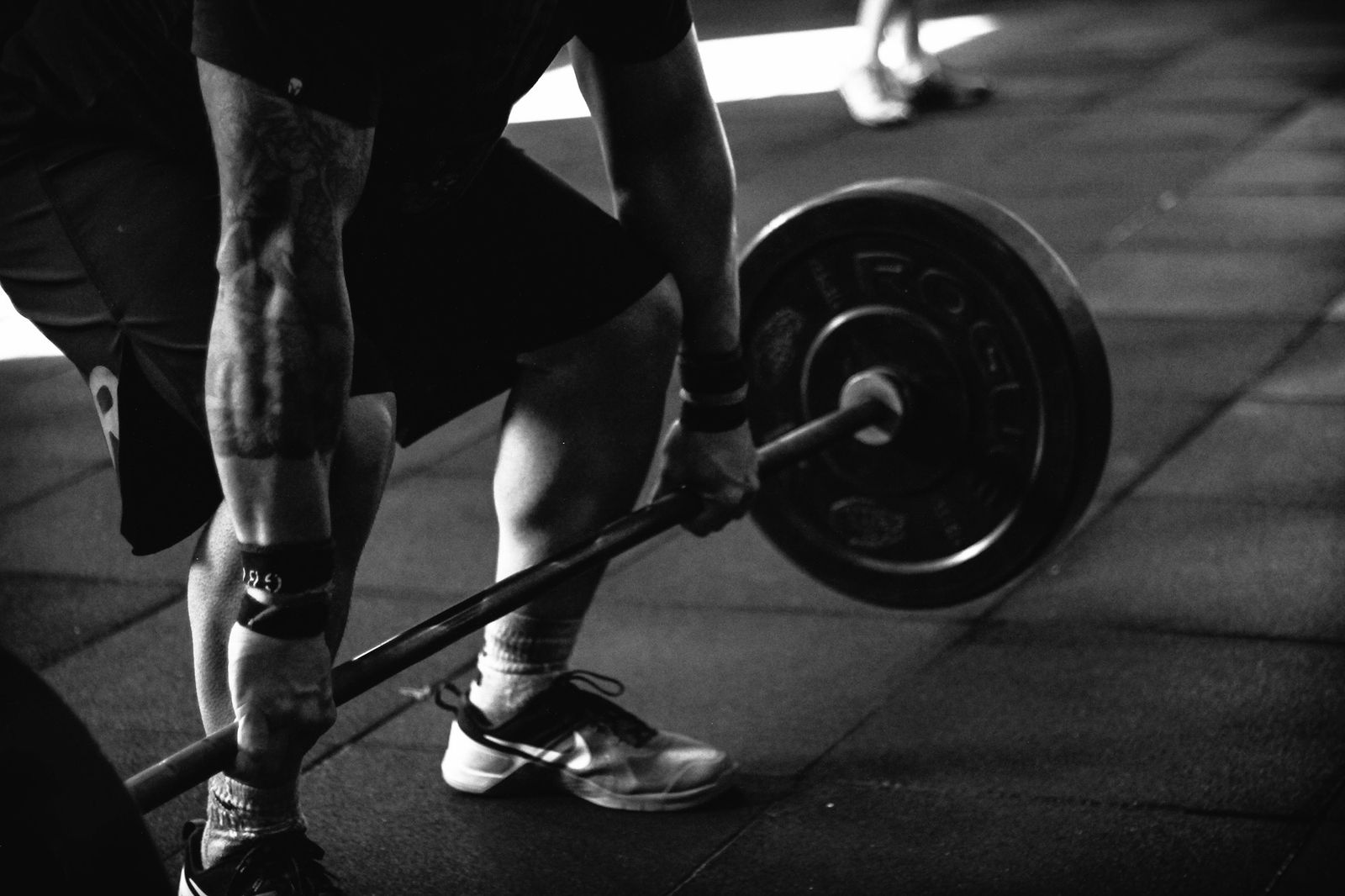
The cost is recovery and form. A set taken to the wall on a squat or press taxes the whole session. The next sets get sloppy. The next day feels heavy. You then skip the second muscle day, which was the part NHS and CDC actually asked for.
ACSM notes that last-rep work may be a poor fit for some older adults. Form breaks. Vascular strain can rise. That is a caution, not a ban on lifting. It is a reason to keep two or three reps in the tank, especially on free-weight compounds.
Failure also hides as “I will just grind this out.” Shoulders roll. Knees cave. The lower back rounds on a hinge. You have then trained a worse pattern. A gym safety guide on racks and spotting is more useful here than another video of a shaking last rep.
High-skill lifts do not belong near the wall. Olympic-style pulls, max deadlifts, and heavy benches with no spot are poor places to experiment. Stop while the bar still travels. Leave the last-rep test for a machine, if you use it at all.
A simple gym week without the grind
Pick two or three days. Cover a squat or sit-to-stand, a hinge, a push, a pull, and a carry. Two or three hard sets per move is enough for many adults. Stop each set with about two clean reps left. That is the ACSM near-failure idea in plain clothes.
Walk on the other days. A 30-minute brisk loop is a real share of the 150-minute week. You can talk, but you cannot sing. That talk-test is easier than a heart-rate argument. A hybrid strength and cardio weekly plan can host both without making every lift a contest.
Once a fortnight, you may take the last set of a machine move to a true last clean rep. Film it. If the path wobbles, you went too far. Next time, stop one rep sooner. That is still progress. It is also kinder on joints and sleep.
Loads should rise slowly. Add a small plate when the last two reps still look like the first two. If you need a bounce to finish, the load is already too high. Failure is not the only way to know. Clean reps tell you sooner.
Safety, racks and who should skip the last-rep test
Use a rack with pins set to catch a squat or press. Ask for a spot on a flat bench. Do not pin a barbell on your chest as a “test.” Machines still need a controlled path. Do not drop a stack.
Stop for sharp joint pain, chest pain, faintness, or unusual breathlessness. Call 999 in the UK or 911 in the US if those signs are sudden. A hard set is not a clinic test. People with heart, kidney, or uncontrolled blood-pressure issues should ask a clinician before very hard lifting.
If you are new, skip last-rep work for the first months. Learn the pattern. Film a set. Add load later. If you are returning after illness or a break, use the same patience. Two tidy sessions beat one wrecked week.
This is general education. It is not a diagnosis. It is not a promise that a certain set style will change your body. Official pages change. Check the current NHS, CDC, and ACSM advice in your country.
Practical session details for training to failure
Write the next session for training to failure before you start: exact sets, repetitions, rest and the one technique cue you will protect. Vague plans become rushed sets. Keep the first warm-up lighter than ego suggests so the working sets stay tidy.
Progress when you can complete every prescribed repetition with the same range of motion you started with. Add a small load or one repetition next time — not both. If a joint feels sharp pain rather than muscle effort, stop that variation and choose a quieter option for two weeks.
Recovery notes and red flags
Leave at least one easier day after the hardest training to failure session in your week. Match hard work with sleep and a normal meal rather than another finisher. Seek clinical advice for lingering joint swelling, night pain, dizziness, chest pain or symptoms that worsen across successive sessions.
| Field | Why it matters |
|---|---|
| Load and reps | Shows whether you are progressing |
| Pain score 0–10 | Separates effort from warning signals |
| Sleep last night | Explains sudden performance drops |
| Next change | Stops random programme hopping |
Frequently asked questions
Do I need training to failure to build muscle?
How often should I take a set to a true last rep?
Is leaving two reps in reserve too easy?
Should older adults avoid last-rep grinding?
Does a walk still count if my lifts stay two reps short?
Sources
- 1. ACSM publishes updated resistance training guidelines
- 2. Resistance training prescription for muscle function, hypertrophy, and physical performance in healthy adults
- 3. ACSM position stand on resistance training prescription
- 4. Physical activity guidelines for adults aged 19 to 64
- 5. Strength exercises
- 6. Adult activity guidelines
- 7. Physical activity fact sheet
Guidance changes. Figures were checked against the sources above at the time of review; always confirm current advice with your GP, pharmacist or clinician.
Image credits
- Photo: Photo by Dmitry Ovsyannikov on Pexels / Openverse
- Photo: Photo by Alesia Kozik on Pexels / Openverse
- Photo: Photo by Victor Freitas on Pexels / Openverse
Was this useful?
Anyone can react — no account needed.


Discussion
0 comments · Name and email only · Email is never shown