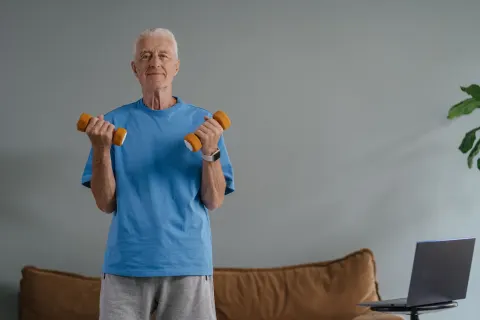
Wall Sit Progression: From 20 Seconds to a Stronger Home Session
Learn a wall sit progression at home, from a 20-second hold to a stronger session, with form cues and a twice-weekly plan.
Search
Browsing all 412 published articles, newest first
Learn a wall sit progression at home, from a 20-second hold to a stronger session, with form cues and a twice-weekly plan.
When self-help is not enough, that is information, not a personal failure. NHS, Mind, CDC, and NIMH all describe stepped care: apps and walks first, t...
A source-reviewed Fitbod review of dated US and UK prices, separate App Store and Play ratings, privacy labels, and what testers said about the algori...
Habit tracking apps evidence is modest and uneven. Reviews show small activity gains, mixed weight results and no app that replaces therapy.
Sleep anxiety grows when you treat bedtime as a test. NHS insomnia advice favours a regular wind-down and getting out of bed if you are wide awake, no...
A source-reviewed look at compression boots evidence: what sports IPC reviews measured for soreness and performance, and what hospital guidance actual...
A source-reviewed Ladder review of dated US and UK prices, App Store ratings, iOS-only availability, and what independent testers actually said.
Walking for mood is a first-line option in NHS and CDC activity advice. Ten to twenty minutes outdoors can be enough on days a gym kit never leaves th...
A source-reviewed shortlist of the best strength training apps: dated US and UK store prices, separate ratings, privacy notes, and who each product is...
Breathing vs meditation is not a contest. NHS and NIH materials treat both as optional tools. Start with two minutes you can repeat on a difficult Tue...
Caffeine can mimic anxiety: a faster pulse, jitters, and lighter sleep. Dose, last-cup time, and a two-week diary show whether the mug is part of the...
A source-reviewed look at smart trainer power accuracy: peer-reviewed KICKR and Tacx papers, manufacturer ±1–2% claims, and why two devices disagree.