Do Workplace Wellness Programmes Work? What the Evidence Shows
Independent trials temper ROI claims for workplace wellness programmes. Some habits improve; clinical and cost wins are often unclear in UK and US set...
Topic
29 articles
Independent trials temper ROI claims for workplace wellness programmes. Some habits improve; clinical and cost wins are often unclear in UK and US set...
Walking meetings can add gentle movement at lunch if you keep the agenda short, the pace conversational, and a seated option on every invite.
Use this neck pain desk setup checklist to align screens, chairs, and break habits. Pair ergonomic fixes with stretches and clinical care when symptom...
Posture myths promise one perfect angle will fix pain. Evidence points to movement, strength, and load breaks instead of rigid stillness.
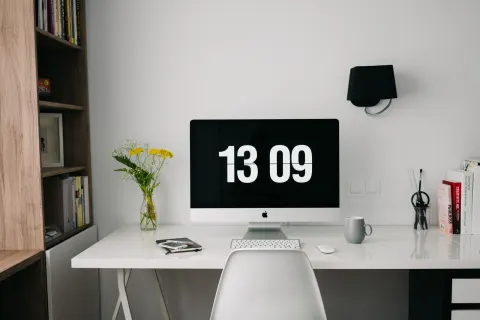
Standing desk research finds sit-stand setups can cut sitting time, while calorie, posture-cure, and productivity claims usually outrun the evidence.
An end of day desk shutdown is a five-minute close: save, shut the lid, walk away, and park the phone. It is a boundary, not a spa day.
Hydration at the desk is a bottle you can see, a refill walk, and fewer sugary drinks. It is not a race to empty a huge jug.
Break reminders only work if you follow them. Tie a quiet cue to real work, give it a small job, and drop the alerts you always dismiss.
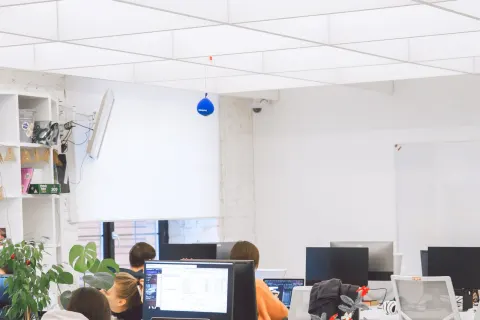
Subtle desk stretches can ease stiffness in an open office. Keep them small, seated, and short, then walk when you can.
An under-desk walking pad is a slow stroll, not a treadmill session. Fit the desk first, keep the pace easy, and skip it if balance is poor.
Two desks mean two setups. A small kit and a five-minute reset keep hybrid days from inheriting someone else’s chair height.
A laptop riser and an external keyboard are the smallest pair that lets the screen sit high while the hands stay low.