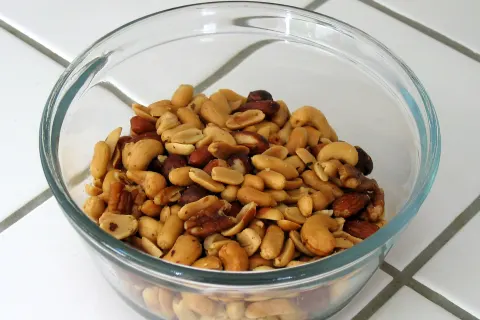
Nuts and Seeds: Portions, Energy Density and Everyday Use
A 30g handful is the everyday measure for nuts and seeds. Use unsalted nuts at meals, keep Brazil nuts few, and skip the sharing bag.
Topic
60 articles
A 30g handful is the everyday measure for nuts and seeds. Use unsalted nuts at meals, keep Brazil nuts few, and skip the sharing bag.
NHS oily fish portions are about 140 g once a week for most adults. Pregnancy, mercury and US ounce targets change the weekly plan.
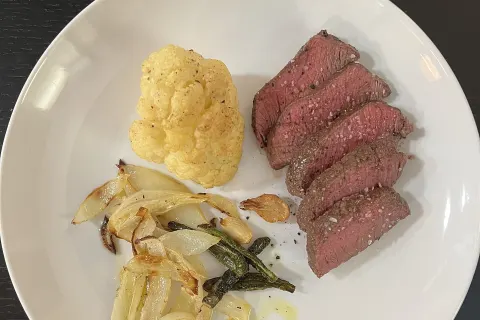
UK red meat guidance asks heavy eaters to average 70 g a day. US heart groups favour smaller portions, fewer processed meats, and plant swaps.
Approved artificial sweeteners sit inside legal safety limits. WHO still advises against using them as a long-term weight-control tool.
Probiotic supplements are strain-specific. NHS and NIH keep claims modest. A short trial may help some gut issues; some people should ask first.
Fermented foods such as yoghurt, kimchi and sauerkraut can add cultures and plants. Keep the claims modest, and watch salt and jar safety.
Late night eating can disturb sleep and reflux. Timing still sits beside total intake, not above it.
Breakfast skipping is a weekday habit, not a medical test. Here is what trials, diet quality and NHS advice mean for who it may not suit.
A source-reviewed shortlist of Huel alternatives — Jimmy Joy, Soylent, yfood and Saturo — with dated UK and US prices and who each powder suits.
Smoke point is one lab number, not a health grade. Rotate cooking oils by fat type, heat and teaspoon portions.
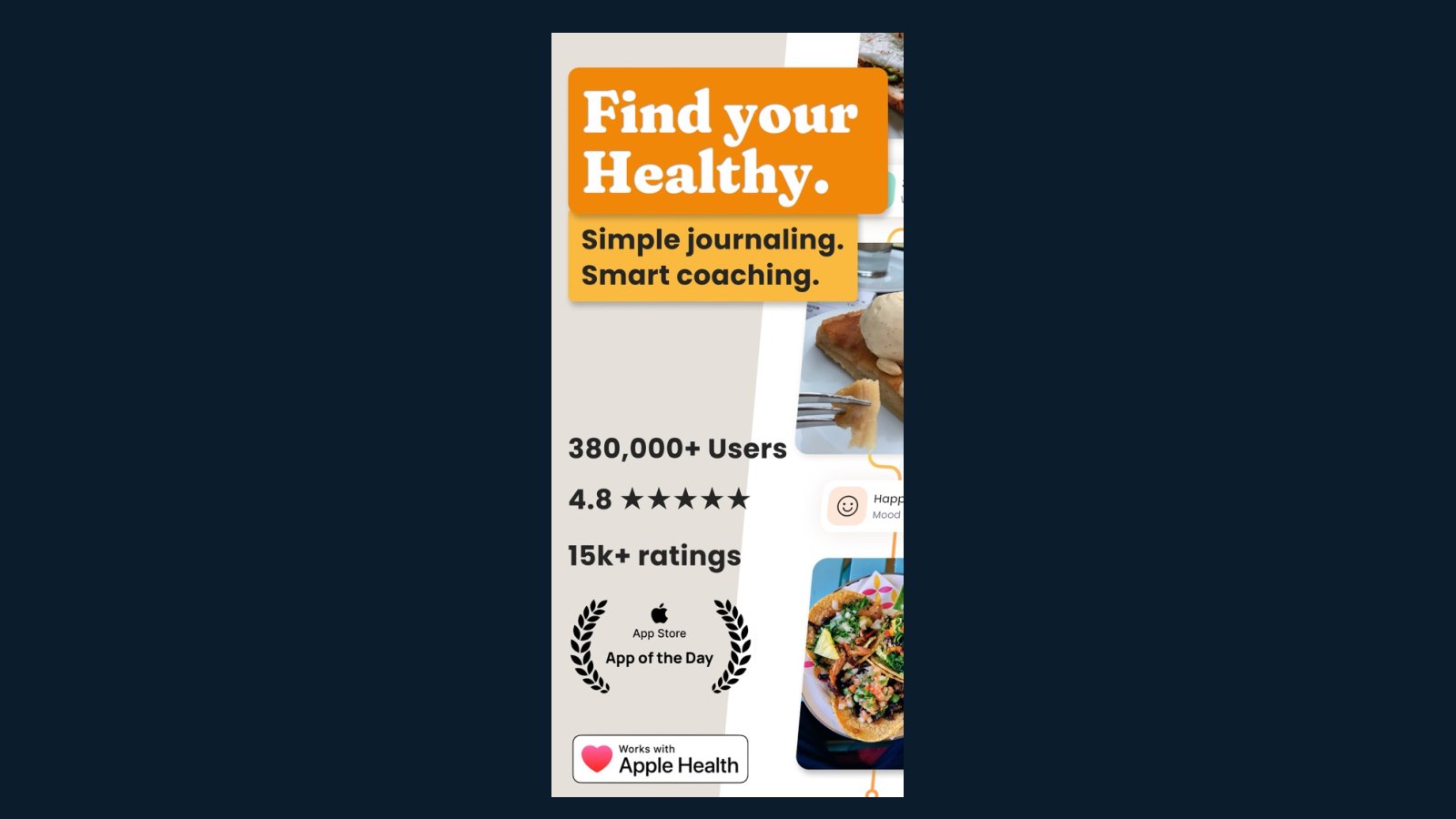
A source-reviewed Ate Food Journal review of AteMate’s dated prices, 18+ rating, store scores and privacy labels. Not a lab test.
A source-reviewed AG1 review of dated UK and US subscription prices, the 13 g scoop, soy on the UK label, NSF listings, and published trials.