How to Add Flavour Without Extra Salt
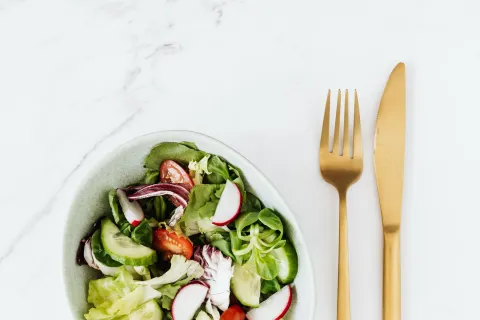
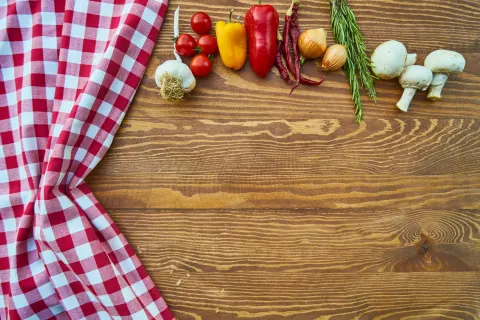
Flavour without salt comes from lemon, garlic, herbs and chilli. Most salt is already in bread, cereal and ready meals, so labels matter as much as th...
Topic
US-specific guidance, pricing or services.
152 articles
Flavour without salt comes from lemon, garlic, herbs and chilli. Most salt is already in bread, cereal and ready meals, so labels matter as much as th...
Cooking for one works when you make tonight plus one box, freeze extras, and follow UK two-day or US three-to-four-day leftover windows.
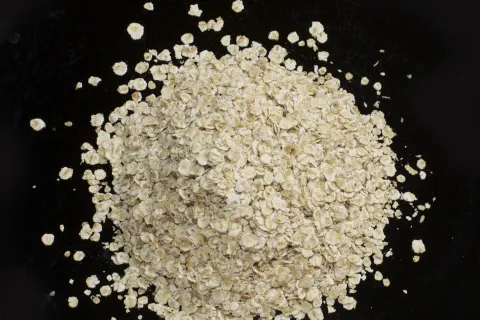
Student budget healthy eating can mean oats, tins and frozen veg. Use Eatwell portions, unit prices and leftover windows, not a special campus diet.
Eating well on night shifts means packing a proper meal, keeping overnight plates lighter, and protecting daytime sleep with a caffeine cut-off.
Roast or steam vegetables you will actually reheat. Cool them fast, box them small, and follow UK two-day or US three-to-four-day leftover windows.
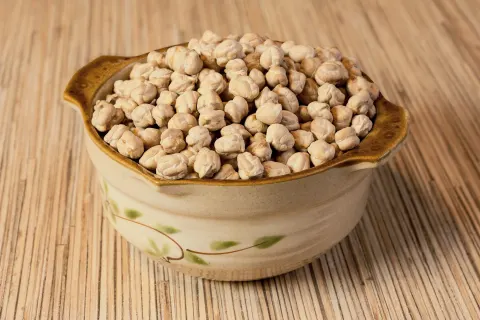
Start cooking legumes with a rinsed tin, then try lentils from dry. Soak kidney beans and boil them hard, or use tinned.
Swap bread, rice, pasta or breakfast to wholegrain versions you will actually eat. Half a cup of cooked grains is a useful US serving cue.
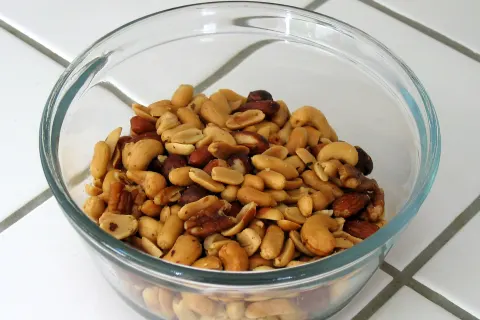
A 30g handful is the everyday measure for nuts and seeds. Use unsalted nuts at meals, keep Brazil nuts few, and skip the sharing bag.
NHS oily fish portions are about 140 g once a week for most adults. Pregnancy, mercury and US ounce targets change the weekly plan.
UK red meat guidance asks heavy eaters to average 70 g a day. US heart groups favour smaller portions, fewer processed meats, and plant swaps.
Approved artificial sweeteners sit inside legal safety limits. WHO still advises against using them as a long-term weight-control tool.
Probiotic supplements are strain-specific. NHS and NIH keep claims modest. A short trial may help some gut issues; some people should ask first.