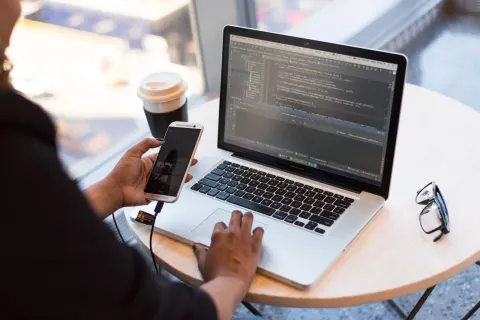
Laptop Riser Plus External Keyboard: The Minimum Home-Office Kit
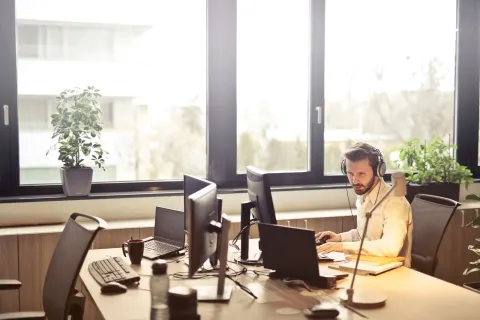
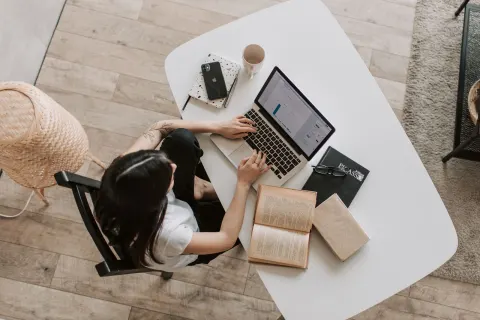
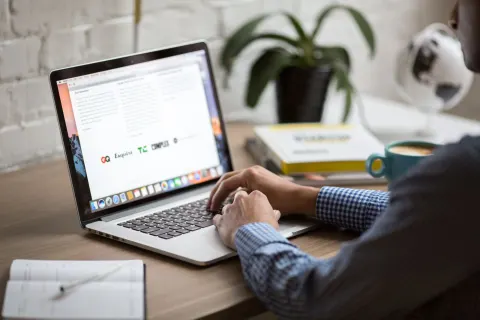
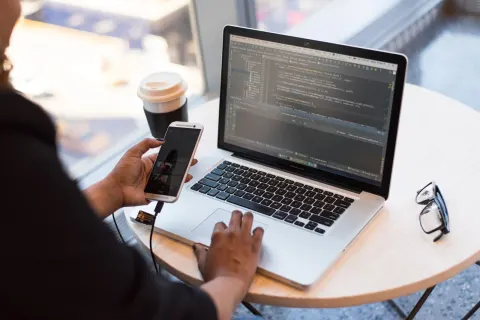
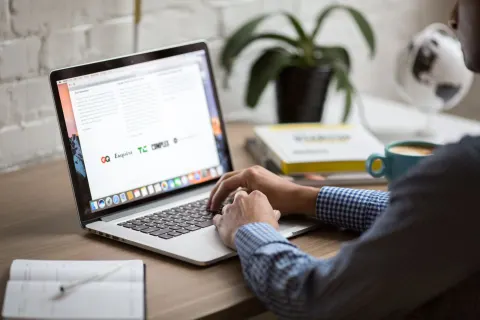
A laptop riser and an external keyboard are the smallest pair that lets the screen sit high while the hands stay low.
Section
Stretches, setup and movement for people who sit for a living
Desk stretches, workstation ergonomics, posture tools, walking pads and movement reminders for office and hybrid workers who spend most of the day seated.
A laptop riser and an external keyboard are the smallest pair that lets the screen sit high while the hands stay low.
A document holder can cut extra neck bending when you copy from paper. Place the page beside the screen, then still change position.
A wrist rest is optional. Fit the keyboard first, float the hands while typing, and land on the palm only when you pause.
A short stand-up can help. A long freeze on hard floors is just another static pose. Sit, shift and walk instead.
The 2pm to 4pm dip is often a body-clock pattern. Use light, a modest lunch, a short walk and, if you can, a brief nap.
A screen-free lunch is the simplest DSE break most desk days already allow. Leave the monitor, eat, and walk a little.
Open office noise focus slips because speech is sticky, not because the floor is as loud as a factory. Use quiet rooms, walks and safe headphone volum...
Desk plants wellbeing is a small environmental nudge, not a treatment. Pair one hardy pot with real breaks and a walk outside when you can.
Blue light glasses are sold for desk strain and sleep. Cochrane trials are thinner than the adverts. Lighting, breaks and bedtime still matter more.
The 20-20-20 rule helps, but lighting, font size and real look-away breaks do more for tired desk eyes than a timer slogan.
Walk off the car slump before you log on, then set the desk and keep the first sitting block short. Commute stiffness is a habit you can interrupt.
Treat every shared seat as new. In two minutes, set chair and feet, bring the keys close, centre the screen, then start work.