Grip Strength: Why It Matters and How to Train It
Grip strength is a simple health clue, not a diagnosis. PURE linked a weaker squeeze with higher death rates. Train it with carries and hangs twice a...
Topic
Getting stronger with barbells, dumbbells or bands.
59 articles
Grip strength is a simple health clue, not a diagnosis. PURE linked a weaker squeeze with higher death rates. Train it with carries and hangs twice a...
A source-reviewed Pvolve review covering dated US streaming prices, store ratings, privacy labels and the 2025 Exeter trial.
ACSM finds training to failure is not required for strength or size. Leave two or three clean reps on most sets, and keep last-rep grinds rare.
Rest pause training adds a short rest inside a set, then a few extra reps. Use one safe slot, not a whole week of near-misses.
Drop sets add extra reps after you reduce the load. Use one careful finish on a stable machine, not a whole session of sloppy burnout.
Tempo training counts the seconds of a lift. Slow the lowering, keep two strength days a week, and use it as a tool rather than a whole new plan.
Learn box step downs with a low box, a slow lower, and a twice-weekly plan. Single-leg strength without a jump, not a treatment for injury.
Learn farmer carry technique with a tall walk, quiet shoulders, and a load you can park. Use short twice-weekly paths, not a strongman show.
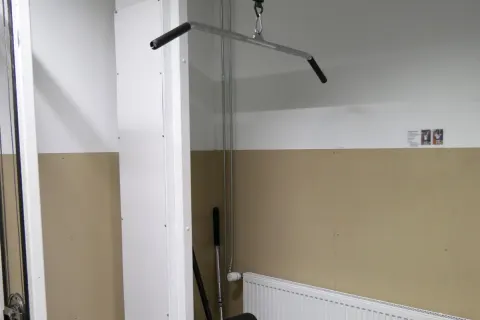
Learn lat pulldown form with a still torso, a full range to the chest, and no hip swing. Use a twice-weekly plan and stop if a shoulder pinches.
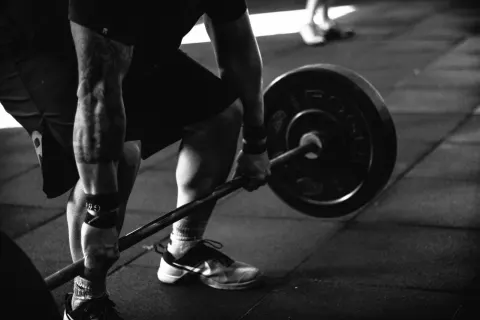
Learn trap bar deadlift technique with a hex bar around your feet. Set the handles, brace, stand tall, and use a simple twice-weekly plan.
Learn goblet squat technique with a kettlebell or dumbbell at the chest. Sit with control, keep the heels down, and use a twice-weekly plan.
Falls prevention at home is twice-weekly strength and balance, plus fewer trip hazards. NHS and WHO numbers, in ordinary rooms and shoes.